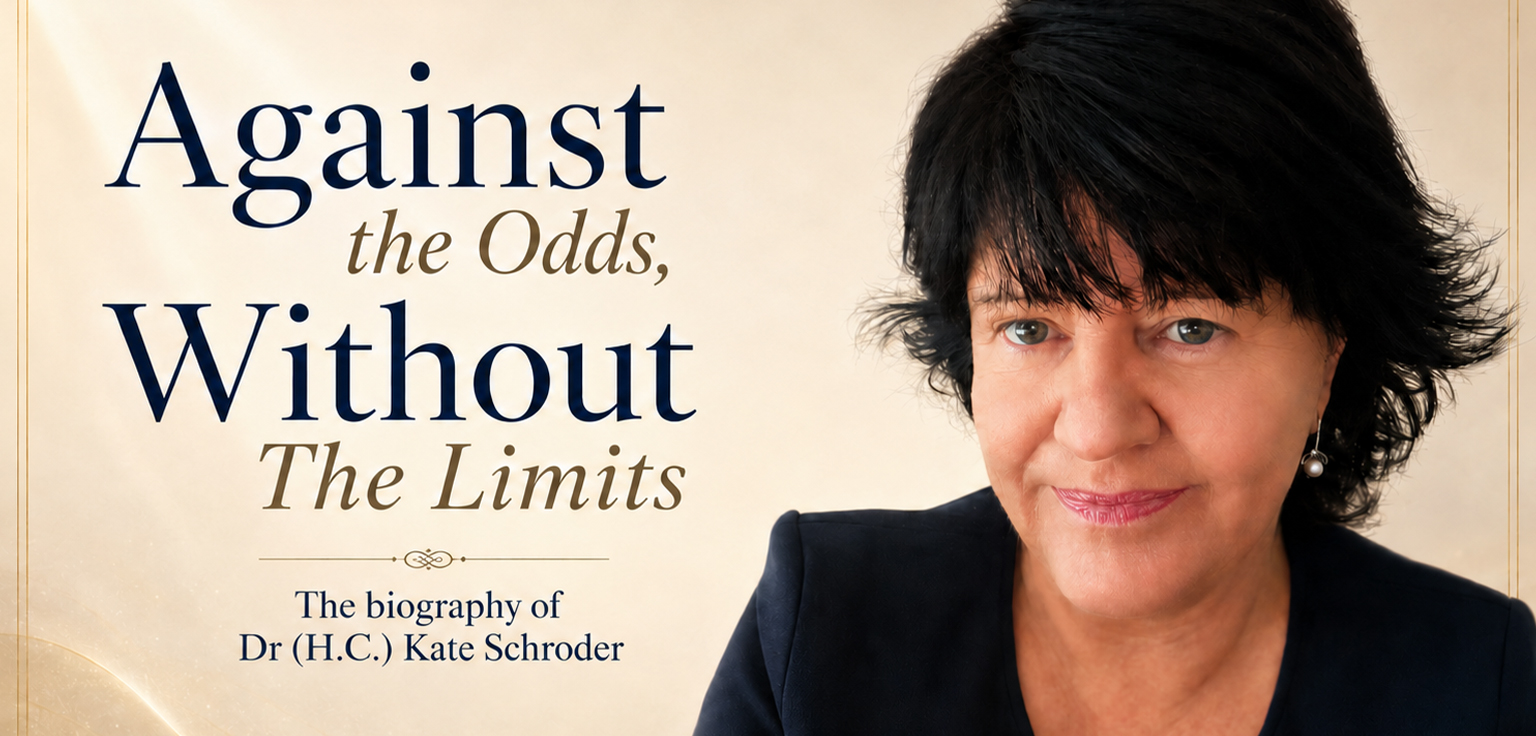
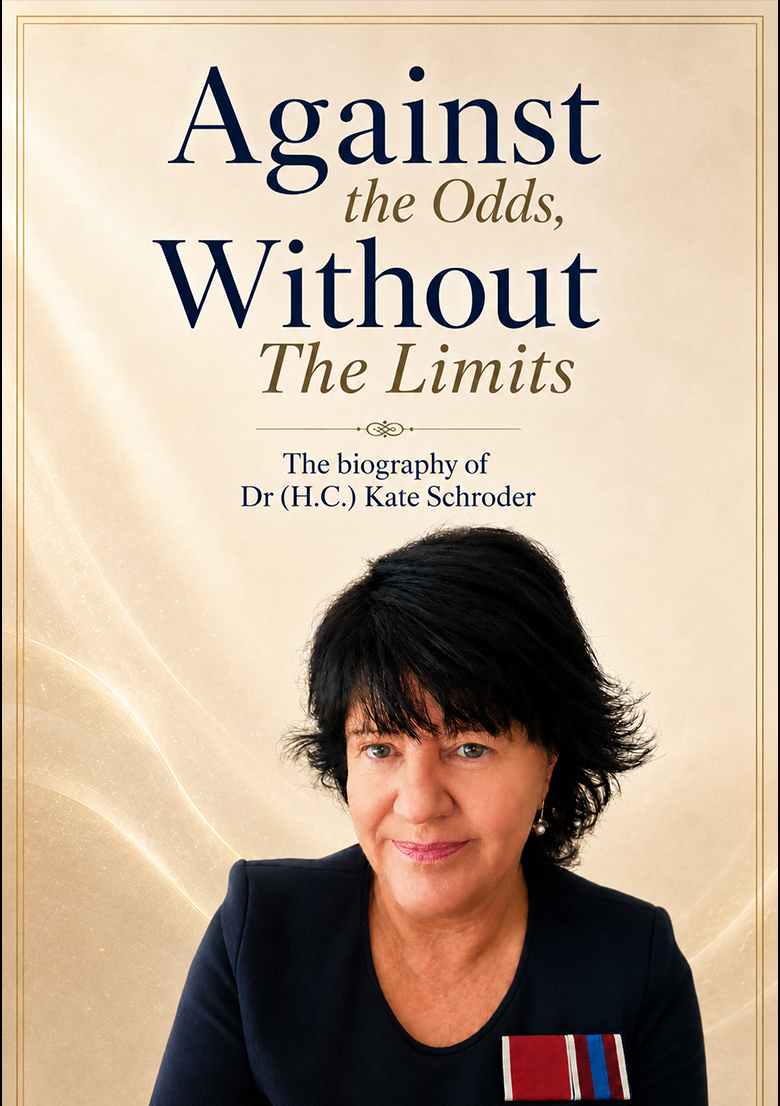
"What you do makes a difference, and you have to decide what kind of difference you want to make."
Introduction
Dr Kate Schroder stands as a remarkable figure in the realm of health and social care, embodying a rare combination of strategic vision, operational expertise, and unwavering commitment to ethical leadership. Her career, spanning the NHS, charitable organizations, and private healthcare sectors, reflects a lifetime dedicated to transforming systems, empowering teams, and improving outcomes for communities and individuals alike. From her early academic achievements to her leadership of large-scale health organizations, Dr Kate has consistently demonstrated a capacity to navigate complex challenges with clarity, resilience, and insight.
Her journey is characterized by a distinctive blend of intellect and pragmatism. With dual honours in forensic subjects from Sheffield University and advanced PhD-level research at Cranfield University in biomedical forensics, she cultivated a rigorous analytical framework that underpinned her approach to leadership. This foundation enabled her to engage with the complexities of healthcare delivery, balancing operational demands, clinical governance, and ethical considerations in every decision she undertook. Her expertise in areas ranging from hospital management and primary care integration to organizational transformation reflects a career built on both depth of knowledge and breadth of experience.
Throughout her professional life, Dr Kate has led initiatives that extend far beyond the boundaries of individual organizations. She has overseen hospital integrations, developed primary care networks, and implemented digital systems that improved patient care and operational efficiency. Her leadership has been marked by a commitment to evidence-based practice, ensuring that strategic interventions are informed by data, research, and best practices while remaining firmly grounded in the needs of the people served. These accomplishments demonstrate a unique ability to harmonise vision with execution, ethics with pragmatism, and innovation with sustainability.
Equally important to her operational achievements is Dr Kate’s dedication to mentoring and developing others. She has nurtured leadership in colleagues, guided teams through challenging transitions, and influenced governance structures to foster accountability, engagement, and excellence. Her approach demonstrates a profound understanding that meaningful change is achieved not only through policies or procedures but also through people, culture, and the empowerment of those within the system. This perspective has allowed her to effect lasting improvements that are not only measurable but also sustainable.
The introduction of this biography sets the stage for a story of determination, insight, and enduring impact. It captures a life defined by both achievement and purpose, highlighting how Dr Kate’s early dedication to education, her commitment to service, and her ethical leadership have intersected to create tangible and lasting change. From the stabilisation of charitable organizations to the transformation of national healthcare systems, her journey illustrates the power of principled leadership applied consistently across contexts.
"The strength of a woman is not measured by the hardships she has faced, but by the courage with which she rises."
Phase 1: Foundations of Resilience – Early Life and Family Influence
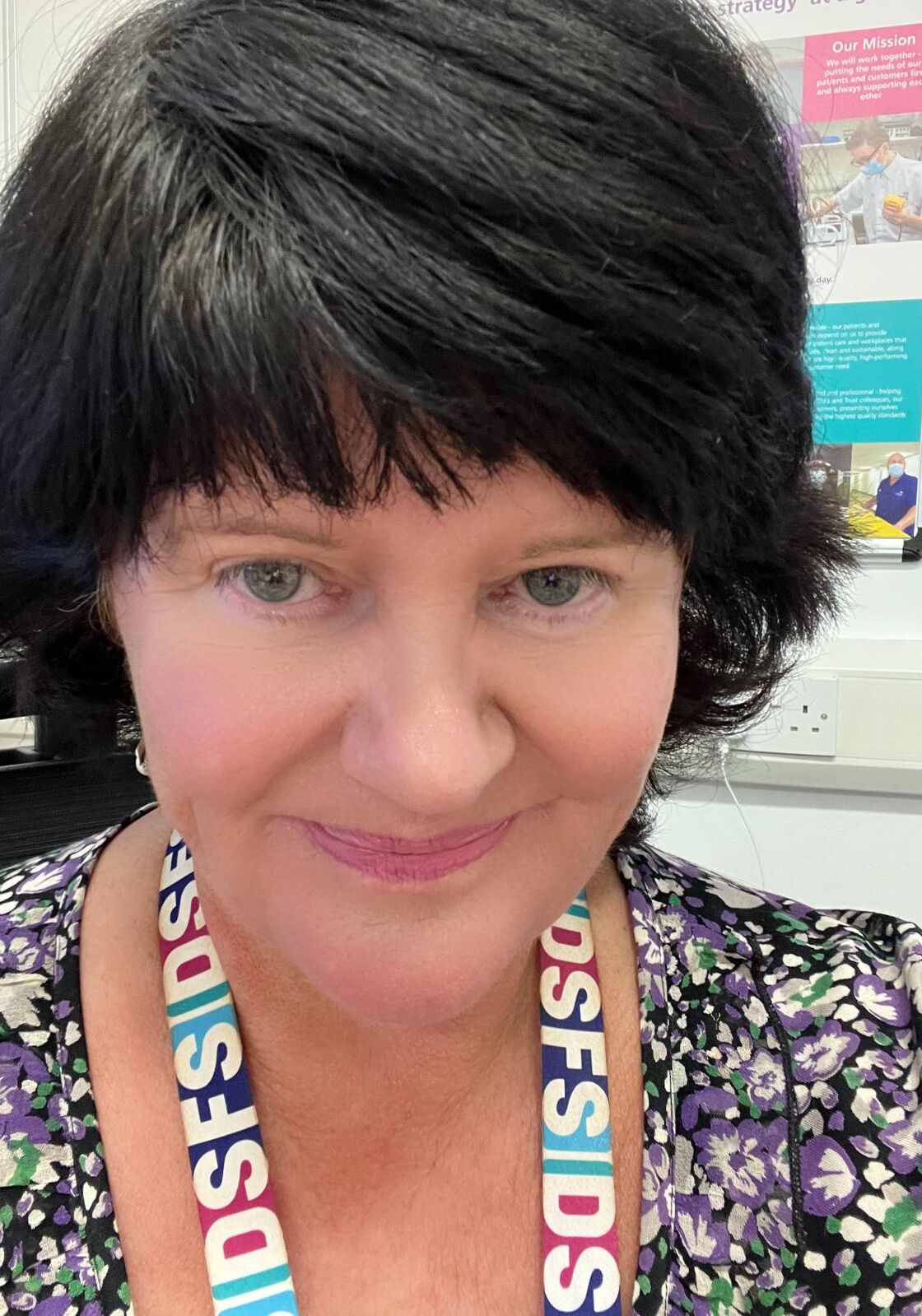
The story of Dr Kate Schroder begins in a family where resilience, responsibility, and empathy were not abstract ideals but lived experiences. From her earliest years, she immersed herself in an environment that demanded both adaptability and foresight. Her parents, Dorothy and John, were the linchpin of the household, managing the upbringing of six children with patience, wisdom, and unwavering motivation for the children to contribute to society and to be seen. In a family marked by both love and the challenges of post-war life, Dr Kate witnessed firsthand how strength and pragmatism could coexist. These formative experiences instilled in her a profound understanding of human dynamics, the complexities of leadership, and the subtle ways in which support and accountability intersect in everyday life.
Growing up in a household that valued duty, responsibility, service and diligence, Dr Kate absorbed lessons that would later underpin her professional ethos. Observing her parents navigate family responsibilities with clarity and integrity, she learned the importance of organization, prioritisation, and emotional intelligence. Her siblings and extended relatives contributed to a dynamic environment that encouraged collaboration, problem-solving, and mutual understanding of what it meant to be different. It was in this milieu that Dr Kate first recognized the significance of empathy paired with decisiveness, qualities that would define her approach to leadership in both charitable and healthcare settings. She learned early that she could achieve meaningful impact not through authority alone, but by understanding, listening, and acting thoughtfully to address the needs of others.
The broader societal context in which Dr Kate grew up also influenced her early life. Global and local events, along with her family’s expected responsibilities, shaped her perception of duty and accountability. She observed adults navigating complex social and professional landscapes, learning how to balance personal aspirations with collective obligations. These lessons created a foundation for her future leadership, providing a template for how to approach challenges with patience, clarity, and strategic foresight. Even in her formative years, she displayed a remarkable ability to assess situations, identify needs, and consider the consequences of decisions—traits that would become central to her later professional success.
Beyond family and societal influences, Dr. Kate’s early experiences emphasised the importance of community engagement and social responsibility. She grew up in a setting where the connections between individual actions and broader societal outcomes were visible and immediate. Through family interactions, neighbourhood involvement, and extended family networks, she developed a sense of accountability not only to herself and her immediate circle but also to the wider community. This understanding cultivated an early appreciation for ethical leadership, the value of service, and the necessity of principled decision-making. She came to see that true resilience involves both personal strength and the capacity to positively influence others, a concept that would later define her approach to organizational transformation and healthcare leadership.
Even in her youth, Dr Kate demonstrated a keen awareness of human potential and vulnerability. She observed how people responded to adversity, illness, and societal change, internalising lessons about compassion, equity, and advocacy. Her early exposure to these realities cultivated a sensitivity to the struggles of others, particularly those navigating complex systems or challenging circumstances. This empathetic lens informed her understanding that leadership is most effective when it is grounded in human experience, attentive to the needs of others, and responsive to both immediate and long-term challenges. These early insights established her ability to lead multidisciplinary teams, negotiate complex organizational challenges, and implement systemic improvements in both charitable and healthcare environments.
"Education is the most powerful weapon which you can use to change the world."
Phase 2 : Education and the Spark for Learning
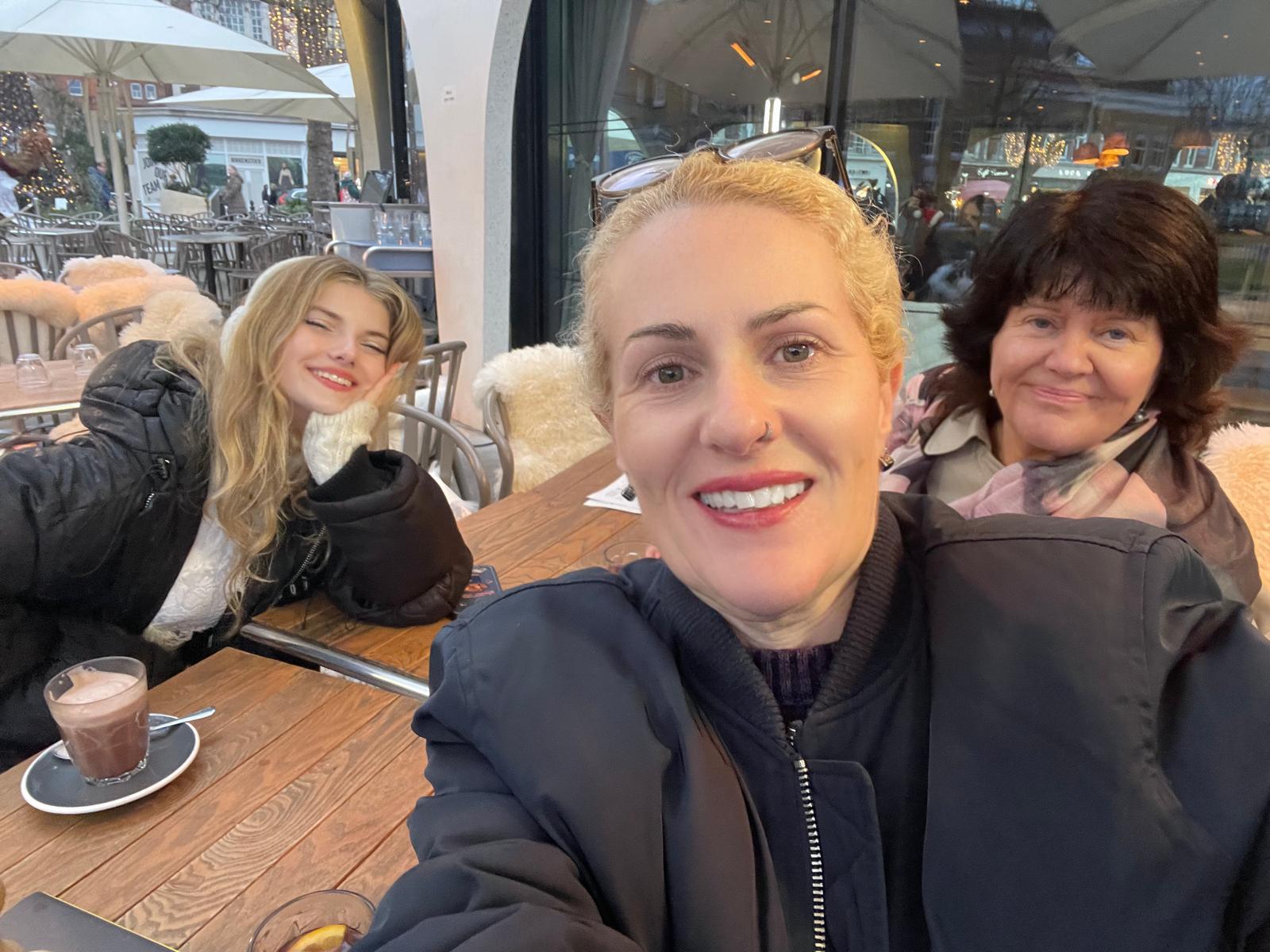
Education has always been at the heart of Dr Kate Schroder’s journey, not merely as a formal process but as a way to empower herself, cultivate insight, and prepare for the complex challenges she would later face in leadership. Leaving school at the age of sixteen, she did not allow this early transition from formal education to limit her intellectual curiosity or ambition. Instead, it marked the beginning of a self-directed pursuit of knowledge that would lay the foundation for her extraordinary career. From the outset, Dr Kate demonstrated a rare ability to combine discipline, focus, and resilience in her approach to learning, qualities that would become hallmarks of her professional life.
Her formal academic pursuits began in earnest when she enrolled at Sheffield University, undertaking a dual honours degree in human archaeology and forensic science. This ambitious undertaking required her to manage two rigorous fields of study concurrently, reflecting her determination and intellectual dexterity. She immersed herself in disciplines that were both scientifically exacting and practically applied, including facial reconstruction, pathology, and biomedical sciences.
These areas demanded not only technical skills but also careful diligence and a strong ethical framework, qualities that would later inform her approach to healthcare management and organizational oversight. The dual honours programme was more than an academic achievement; it was an early test of her ability to balance competing demands, synthesise complex information, and maintain consistency under pressure while bringing up a family and managing a home.
During this period, Dr Kate developed a profound appreciation for the interplay between theoretical knowledge and practical application. Her coursework in forensic sciences exposed her to intricate problem-solving, the analysis of evidence, and the responsibility inherent in decisions that directly affect outcomes, whether in investigative contexts or broader healthcare scenarios. The precision, rigour, and ethical grounding she cultivated through these studies would later prove invaluable when she assumed leadership roles involving high-stakes decision-making, multidisciplinary teams, and large-scale operational management. Her academic focus on both scientific and ethical dimensions exemplified a holistic approach to learning that would characterise her professional philosophy: that knowledge gains its true value when applied thoughtfully, responsibly, and for the benefit of others.
Beyond formal academics, Dr Kate pursued additional certifications that expanded her expertise and versatility. She completed specialised training in areas such as facial reconstruction, criminal scene forensics management, and related pathology and biosciences. These qualifications complemented her degree studies, enhancing her practical knowledge and reinforcing her analytical capabilities. They also provided a foundation for the PhD-level research she would later undertake in association with Buckingham University and Cranfield University, focusing on the relationship between biomedical forensics and the quality of clinical outcomes. Her ongoing pursuit of advanced study reflected an understanding that education is not finite but a continuous process, one that evolves alongside professional responsibilities and emerging challenges.
Even as she pursued rigorous academic goals, Dr Kate navigated the demands of personal life with the same discipline and focus. She balanced her study commitments with her responsibilities at home, demonstrating an ability to prioritise, manage her time efficiently, and remain steadfast in the face of competing pressures. This period of her life illustrates how intellectual growth and personal development can be mutually reinforcing: discipline cultivated in one area strengthens capability in another, and resilience becomes both a habit and a mindset. These early experiences in managing complex responsibilities would later inform her leadership style, equipping her to lead organizations with clarity, patience, and ethical foresight.
"Success is not final, failure is not fatal: it is the courage to continue that counts."
Phase 3 : Early Professional Ventures and Challenges
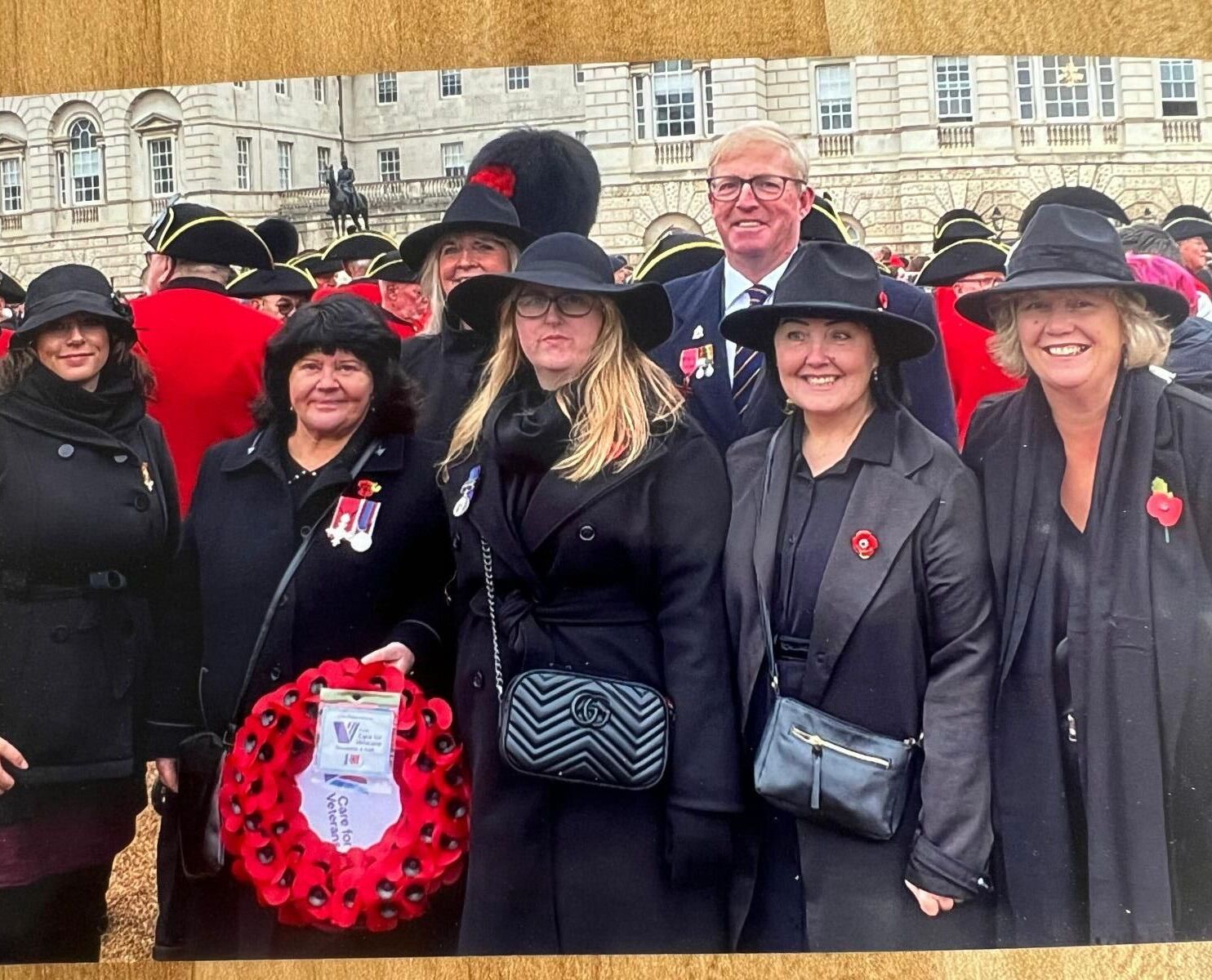
The period following her academic accomplishments marked a defining chapter in Dr Kate Schroder’s journey as she transitioned from scholarship to professional engagement, embracing roles that tested both her intellect and her capacity to lead under pressure. Her early career was rooted in the charitable sector, where organizations often faced under-resourcing, complex operational challenges, and uncertain financial landscapes. These settings offered Dr Kate the opportunity to translate the analytical rigour and ethical frameworks she had cultivated during her studies into practical, tangible outcomes. It was in these formative roles that she began to establish her reputation as a resilient, strategic, and compassionate leader capable of driving organizational transformation.
Among her first significant leadership roles was at 4SIGHT, a membership charity providing ophthalmic and health services contracted by multiple NHS Trusts. At the time she joined, the organization faced financial instability and operational challenges. The charity brought Dr Kate in on a turnaround contract with the explicit challenge of stabilising it and positioning it for sustainable growth. She undertook a comprehensive review of operations, addressing governance structures, financial management, and service delivery.
By implementing transparent systems, improving staff engagement, realigning resources, and operating new services inside NHS hospitals, she increased the membership from just over 1,100 to more than 5,200 members over seven years. Under her leadership, the charity regained stability and expanded its impact, delivering health services to thousands of patients while ensuring operational integrity and fiscal responsibility.
Simultaneously, Dr Kate assumed leadership roles in organizations such as MDF The Bipolar Organisation, where she confronted the dual challenges of operational inefficiency and historical political complexities. She worked to resolve conflicts between employees and external stakeholders, including government funding bodies and NHS commissioners, while simultaneously establishing robust systems for governance, quality, and finance. These assignments required her to negotiate, strategise, and implement solutions in environments often constrained by limited resources and high stakeholder expectations. Dr Kate approached these challenges with a focus on sustainable solutions, combining analytical precision with an empathetic understanding of the human elements at play, reinforcing her philosophy that effective leadership requires both strategy and compassion.
In addition to charitable roles, Dr Kate frequently worked as a freelance consultant for organizations in crisis or undergoing significant transformation, often working free of charge where appropriate. Her consultancy encompassed the development of tenders, bids, and operational specifications for healthcare and rehabilitation services, often including bespoke solutions for special needs groups. She provided guidance and training to staff from voluntary sector organizations, local authorities, and national bodies, including police forces, the London Fire Brigade, and health authorities. Through these engagements, she honed her skills in stakeholder management, strategic planning, and systems improvement, demonstrating an ability to effect meaningful change across diverse operational contexts.
Note of Thanks
Dr Kate Schroder sincerely expresses her deepest gratitude to all who have supported and inspired her throughout her personal and professional journey. She is profoundly thankful to her family for their unwavering confidence, encouragement, and belief in her vision, which provided the foundation for her dedication to service and leadership. To her colleagues, mentors, and teams across the NHS, charitable organizations, and private healthcare sectors, she extends heartfelt appreciation for their collaboration, trust, and commitment, which enabled the transformative work that defines her career.
She acknowledges the patients, service users, and communities she has had the privilege to serve, whose resilience, courage, and engagement have been a continuous source of inspiration and motivation. She is also grateful to professional peers, advisors, and board members who offered insight, guidance, and constructive dialogue, enriching her leadership perspective and shaping the impact of her contributions to health and social care. Dr Kate recognises that each achievement and milestone was made possible through the collective efforts, support, and dedication of all those around her, and she is deeply appreciative of their partnership, encouragement, and belief in her mission to create meaningful, sustainable, and positive change.
Thanks,
– Dr. (H.C.) Kate Schroder