“Teaching is not merely the sharing of information. It is the quiet shaping of lives, one moment of understanding at a time.”
Introduction
Every life carries its rhythm. Some stories unfold through sudden fame or dramatic turns, while others grow steadily through commitment, conviction, and years of meaningful work. The life presented in these pages belongs to the latter. It is the story of Dr. Rebecca R Weimar, whose journey became deeply intertwined with learning, language, and the lives of countless young people who passed through her classroom.
Born in Pennsylvania as the only child of James and Phyllis Rummel, Dr. Rebecca grew up within a household shaped by strong values and quiet discipline. Her parents belonged to the generation that endured the hardship of the Great Depression and the uncertainty of global conflict. Her father served as a Marine during the Second World War and later continued his service during the Korean era. Those experiences shaped his understanding of resilience and responsibility. Her mother nurtured a home environment filled with care, patience, and encouragement. Together they created a setting where curiosity could flourish and learning was treated with respect.
From the earliest days of childhood, school held a special meaning. It was never a burden or obligation. Instead, it felt like a place where imagination and discovery could grow freely. Even as a young child she displayed a natural inclination toward teaching. Dolls and stuffed animals often became her first students, carefully arranged while she repeated lessons she had learned earlier in the day. Her father frequently joined these early experiments in teaching, particularly when mathematics entered the picture. After learning something new from him, she would often find herself explaining the same idea to classmates over the telephone. They were unknowingly laying the foundation for their future careers.
As she moved through her school years, academic interest deepened. She became a dedicated student and discovered a strong fascination with languages. French entered her life at an early age through an after-school program that introduced children to the sounds and patterns of the language through conversation, songs, and simple performances. The experience awakened a genuine curiosity that continued to grow as she advanced through middle school and high school. When she encountered written French for the first time, it revealed an entirely new layer of beauty and complexity that only strengthened her enthusiasm.
A decisive influence appeared during her high school years through the presence of a remarkable teacher named Madame Doris Sherman. This educator possessed a lively personality and an unmistakable passion for the classroom. Her lessons carried energy, creativity, and a visible love for the subject she taught. Every day in that classroom felt vibrant and alive. Observing such dedication made a lasting impact on the young student who sat among her class.
“The direction of a life is often decided long before a person understands the importance of those early moments. The values learned at home and the encouragement received as a child quietly become the compass that guides the years ahead.”
Phase 1: Foundations of Character and the First Seeds of a Calling
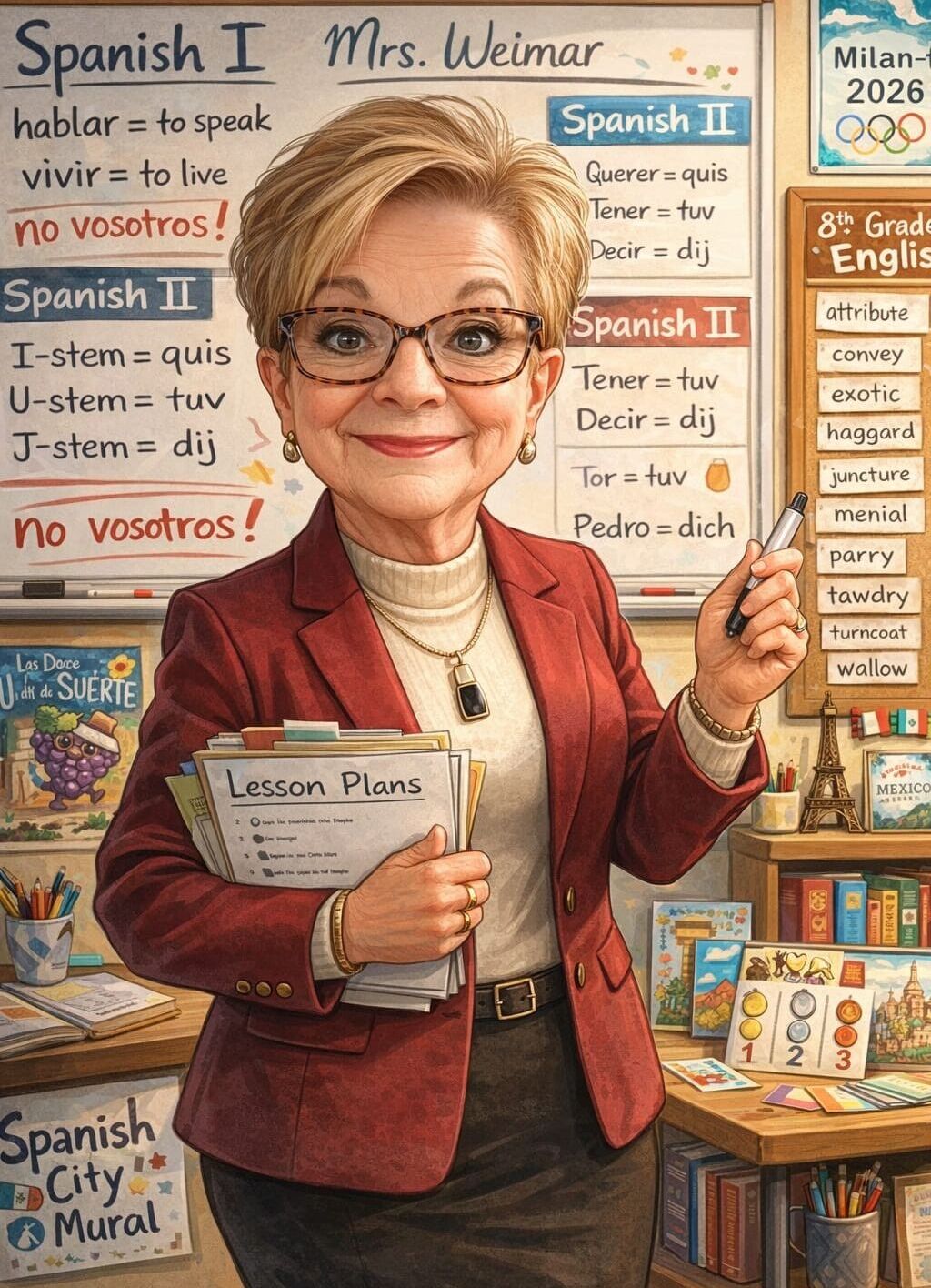
The story begins in Pennsylvania, where Dr. Rebecca R Weimar was born into a household shaped by discipline, resilience, and faith. She was the only child of James and Phyllis Rummel, two individuals whose lives reflected the strength and determination of a generation that had endured extraordinary circumstances. Their upbringing during the years of the Great Depression and the global turmoil that followed instilled in them a deep appreciation for hard work, responsibility, and gratitude for the simple blessings of everyday life.
Rebecca’s father’s experiences left a particularly strong impression on the atmosphere within the home. As a young man, he served in the United States Marine Corps during the Second World War, spending time in the Pacific Theatre, where American forces fought in difficult jungle conditions. The realities of war were not stories he spoke about frequently, yet the lessons he carried from those years shaped his perspective on life. The understanding that circumstances could change suddenly made him practical, careful, and deeply appreciative of stability. Even in ordinary routines, those experiences influenced how he approached family life.
Rebecca’s mother’s influence carried a different yet equally powerful form of strength. She came from a traditional background rooted in Pennsylvania Dutch heritage, which valued modesty, discipline, and family responsibility. During the early years of her daughter’s life, she devoted her time to caring for the household, creating a stable environment that allowed curiosity and imagination to flourish. She would later work outside the home, but the nurturing she gave her children during those early years had a lasting effect.
The household was not one of extravagance or indulgence. Instead, it was shaped by thoughtful guidance and quiet expectations. Respect for education was strongly stressed, and learning was regarded as an opportunity rather than an obligation. This attitude created an atmosphere in which a young child could discover interests naturally, without pressure yet with clear encouragement.
“A child may find pleasure in learning, yet it requires a remarkable teacher to demonstrate that knowledge can transform into a lifelong endeavour.”
Phase 2 : The Awakening of Purpose and the Influence of Great Teachers
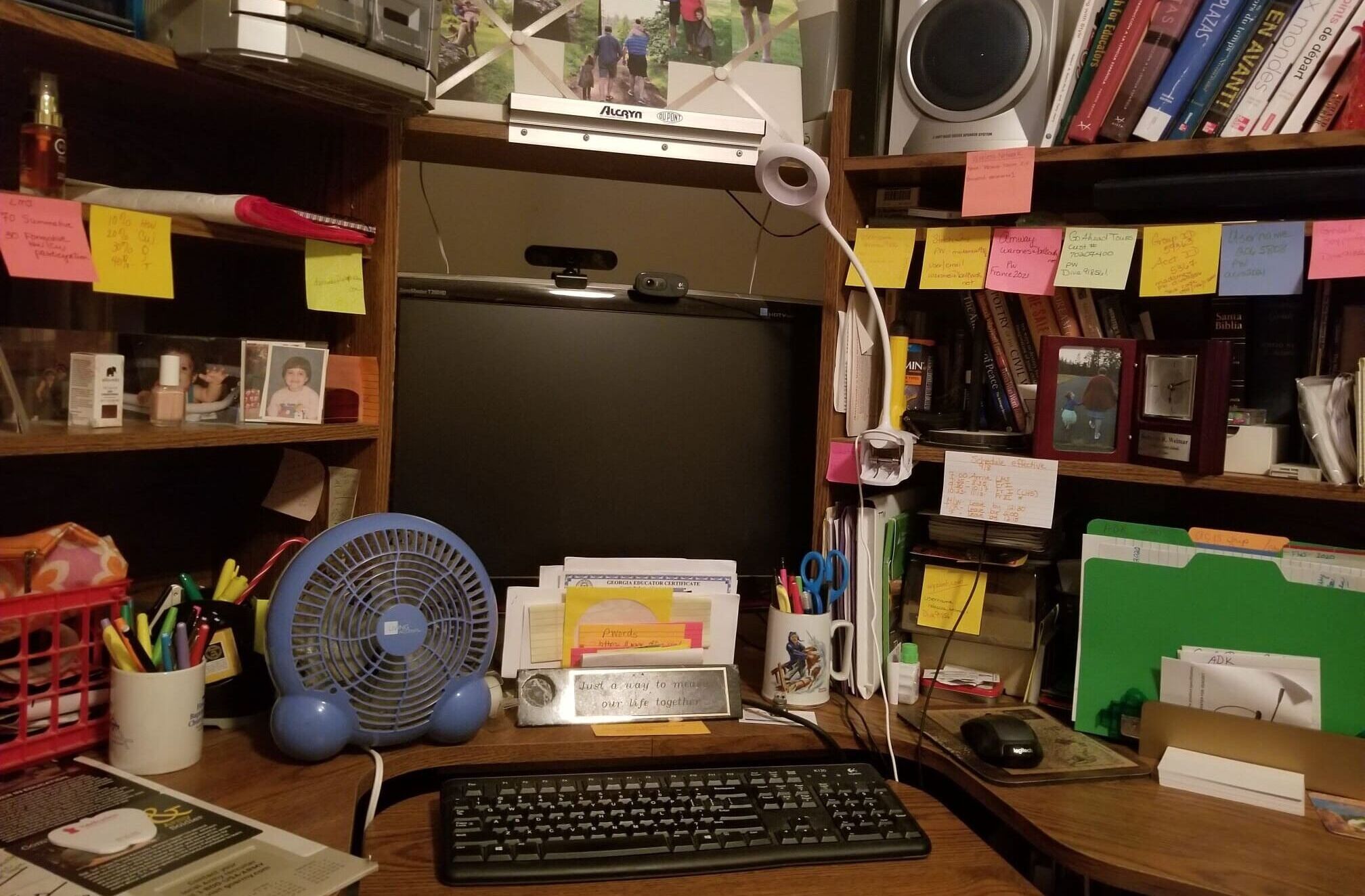
As childhood gradually transitioned into adolescence, Dr. Rebecca R Weimar, who had once arranged dolls into imaginary classrooms, started to view education from a more contemplative perspective. School was no longer simply a place of curiosity and daily routine. It became a space where interests were refined, abilities were tested, and the future quietly began to take shape. These years were important not only for academic development but also for discovering the direction her life would eventually follow.
High school marked the period when this sense of direction became clearer. Rebecca entered those halls already carrying a love for learning that had been nurtured since early childhood. Teachers quickly noticed her dedication to academic work and the seriousness with which she approached her studies. She meticulously completed assignments, enthusiastically participated in classroom discussions, and found genuine satisfaction in the learning process itself.
Among the many subjects she studied, languages continued to hold a particular fascination. French had been part of Rebecca’s life since the age of seven, when she first encountered the language through an after school program that emphasized listening and speaking rather than reading or writing. Those early experiences had introduced her to the sounds and rhythm of French through songs, stories, and repeated phrases. By the time she encountered formal language instruction in school, she already carried a sense of familiarity with its musical tone.
Yet the transition from spoken language to written language revealed something entirely new. French spelling and pronunciation did not always align in obvious ways. Words looked different from how they sounded, and this discovery initially surprised her. Instead of discouraging her curiosity, it sparked a more profound interest. She found herself wanting to understand the structure of the language, its history, and the culture behind it.
Learning a foreign language requires patience and concentration. Vocabulary must be memorised; grammar rules must be understood, and pronunciation must be practiced carefully. Many students approach these tasks with hesitation. For her, however, the process felt rewarding rather than frustrating. Each new phrase represented an entry into a world beyond her community.
“Higher education is not just about learning; it’s also about finding your true self.”
Phase 3 : University Years, Cultural Discovery, and the Strengthening of Identity
The transition from high school into university life represented a defining step toward adulthood. For Dr. Rebecca R Weimar who had already discovered her love for languages and her desire to teach, entering the University of Delaware was both exciting and significant. It marked the beginning of a period that would expand her understanding of the world, strengthen her academic abilities, and prepare her for the responsibilities that lay ahead.
When she first arrived on campus, the environment felt both familiar and new. The university was her home institution, yet the shift from high school to higher education brought an entirely different rhythm. Classrooms were larger, expectations were greater, and independence became an essential part of everyday life. Students were responsible for organizing their schedules, managing their studies, and making choices about the direction of their academic paths.
At the beginning of her university journey, she enrolled as an undeclared major. Years later, she often reflected on her choice with a hint of amusement, as her passion for languages was already well-established. It did not take long before she realized that the direction she had envisioned during high school was still the one that made the most sense. By the end of her first year, she formally declared her major in foreign language education.
Once that decision was made, her studies began to align closely with her long term aspirations. Courses in French language, literature, and culture formed the core of her academic schedule. Each class introduced her to new aspects of the language she had loved since childhood. Grammar became more complex, vocabulary expanded, and literature revealed the depth of history and thought within the French-speaking world.
University study demanded greater discipline than she had previously experienced. Professors expected thoughtful participation, careful preparation, and intellectual curiosity. Unlike the more structured environment of high school, students were encouraged to take initiative in their learning. For someone who already enjoyed academic challenges, this environment felt stimulating rather than intimidating.
Note of Thanks
No life story stands alone. Every journey is shaped by the presence, encouragement, and influence of others who walk beside us, guide us, or quietly support us from the background. Dr. Rebecca R Weimar’s life, reflected in these pages, has been no exception, and it is only fitting to express sincere gratitude to the individuals who helped make this journey possible.
First and foremost, Dr. Rebecca extended her heartfelt thanks to God, whose grace and guidance have been the foundation of every chapter of life. Faith has provided strength during moments of uncertainty, comfort during seasons of loss, and gratitude for the countless blessings experienced along the way. Each new day has been a reminder that life itself is a precious gift.
Dr. Rebecca also extends her deep appreciation to James Rummel and Phyllis Rummel, whose love and guidance shaped the earliest years of this journey. The Rummels’ example of perseverance, responsibility, and integrity fostered a home environment that valued learning and encouraged curiosity. The lessons they shared continue to resonate long after their passing.
Special gratitude is also owed to her husband and children, whose support and companionship have brought balance and joy to a life dedicated to education. Their patience and encouragement during the many years spent preparing lessons, grading papers, and guiding students made it possible to continue pursuing a meaningful career.
A heartfelt acknowledgement is reserved for Madame Doris Sherman, the remarkable teacher whose passion for language and teaching helped illuminate the path that would become a lifelong calling. Her enthusiasm and dedication left a lasting impression that continues to inspire even today.
Finally, sincere thanks go to the countless students who passed through the classroom over the years. Each one contributed to a journey that was as rewarding for the teacher as it was for those who came to learn.
Thanks,
– Dr. Rebecca R. Weimar