
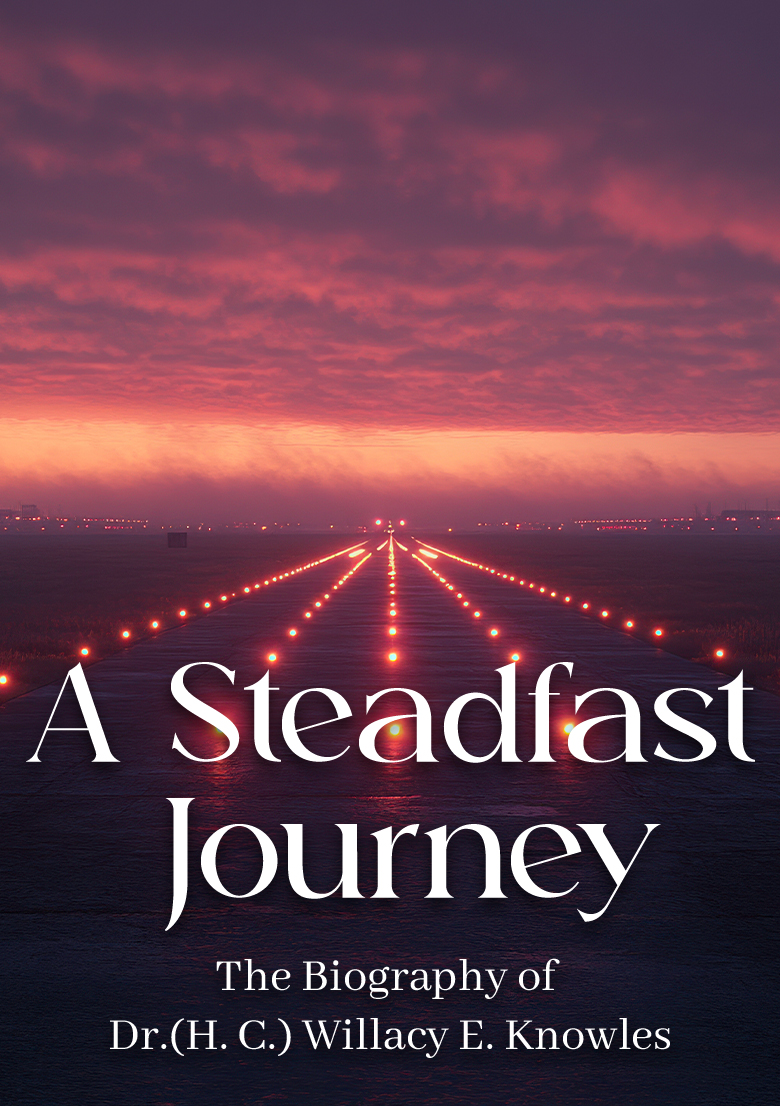
“True accomplishment is rarely loud or hurried; it is built patiently through discipline, responsibility, and the quiet determination to do every duty well."
Introduction
Every professional life carries a narrative far deeper than the chronology of positions held or qualifications earned. Some journeys are defined by visible transitions and dramatic reinventions, while others reveal their significance through steadiness, discipline, and the quiet persistence of purpose. The story of Dr. Willacy E. Knowles belongs distinctly to the latter , a life shaped not by spectacle, but by structure, responsibility, and an unwavering commitment to clarity.
From the earliest stages of his academic and professional development, a defining pattern emerges: progress guided by deliberate effort and thoughtful direction. His educational pursuits reflect not merely the completion of formal study but the cultivation of a mindset attentive to systems, order, and applied understanding. Earning a Bachelor of Science in Occupational Education from Wayland Baptist University provides a significant intellectual foundation that reinforces principles of structured learning and practical integration. This academic foundation would later influence all aspects of his professional behaviour.
Equally formative was his association with the Community College of the Air Force, an institutional environment where disciplined education and operational precision intersect. Such frameworks demand accuracy, coherence, and a deep respect for procedural integrity. Exposure to this structure reinforced not only technical awareness but also habits of thought centred on preparation and reliability, attributes that would remain consistent throughout his career.
Service within the United States Air Force further shaped the contours of his professional identity. Military environments are defined by accountability, precision, and a systemic clarity that leaves little room for approximation. Responsibilities within such contexts are neither abstract nor discretionary; they require exactness, discipline, and composed judgement. These influences cultivated a professional philosophy grounded in steadiness and methodical execution, where effectiveness is inseparable from structure.
Yet the narrative of Dr. Willacy E. Knowles extends beyond any single institutional setting. His professional journey reflects a continuity of values carried across evolving environments, most notably within Prince George’s County Public Schools. Educational systems represent complex organisational structures, where procedural coherence and consistent judgement are essential to stability. Contributing effectively within such frameworks requires not only competence but also a refined understanding of continuity, coordination, and institutional responsibility
“Discipline is not merely a habit of action; it is a habit of thought that quietly shapes the course of a life.”
Phase 1: Foundations of Discipline and Direction

Every enduring professional journey begins long before titles, responsibilities, or recognitions take form. In the life of Dr. Willacy E. Knowles, the earliest foundations were not defined by visibility or immediate distinction but by a gradual alignment toward discipline, structure, and purposeful growth. His story, when viewed from its origins, reveals the shaping of a mindset that would later become the defining thread of his career, a mindset grounded in responsibility, precision, and continuous self-development.
From the outset of his academic and professional preparation, there is clear evidence of a temperament inclined toward order and method. The pursuit of education did not appear as an isolated obligation but as a deliberate pathway toward competence. His academic trajectory reflects not haste, but thoughtful progression, an approach consistent with individuals who value depth, mastery, and long-term stability over rapid advancement.
One of the earliest notable accomplishments in this developmental arc was his completion of a Bachelor of Science in Occupational Education from Wayland Baptist University in June 1982. This achievement represented more than the acquisition of a degree; it marked the formal articulation of an intellectual framework oriented toward systems, learning, and applied knowledge. Occupational education, by its nature, bridges theoretical understanding with functional expertise, a theme that would resonate strongly throughout his later professional life. The discipline required to navigate such studies mirrors the broader characteristics of persistence and structured thinking that became integral to his identity.
The years surrounding this academic accomplishment also corresponded with a period of professional formation shaped by the demands of military service. His association with the United States Air Force introduced an environment where precision, accountability, and procedural clarity were not optional ideals but fundamental expectations. Within such a framework, actions carried weight, decisions demanded precision, and consistency became inseparable from credibility.
“Experience does not simply accumulate with time; it refines judgement, sharpens perspective, and quietly defines the professional self.”
Phase 2 : The Emergence of Professional Identity
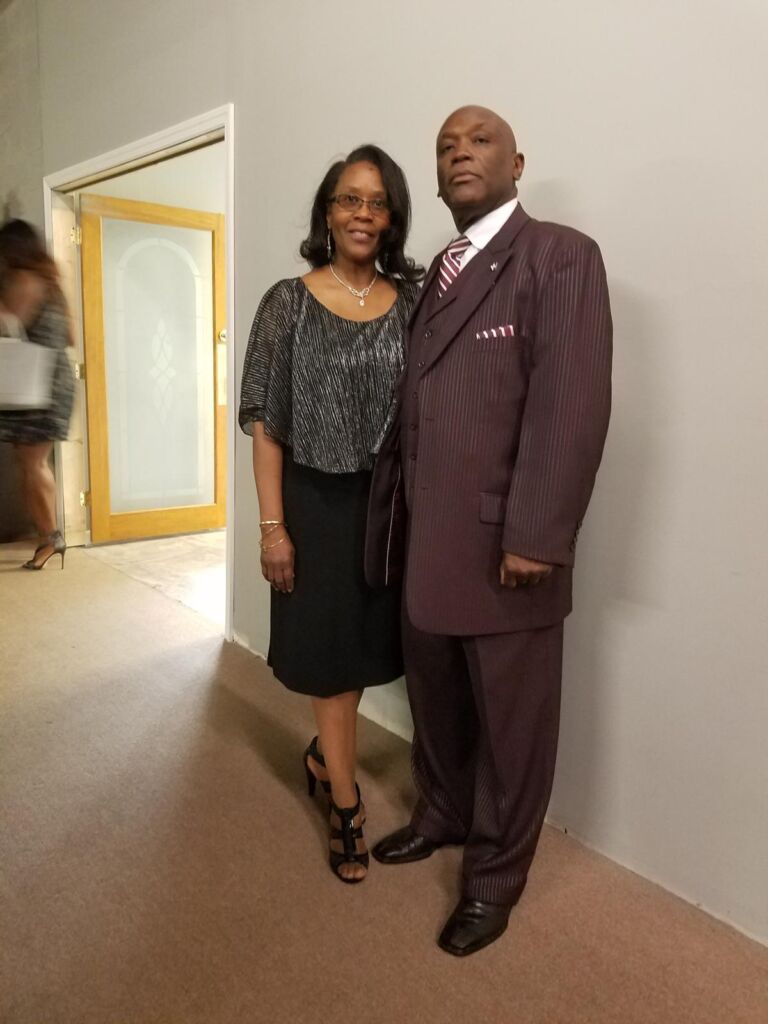
With the foundations of discipline and structured learning firmly established, the next phase in the journey of Dr. Willacy E. Knowles reflects the gradual emergence of professional identity. This period was not characterized by abrupt transformation or dramatic shifts, but by steady immersion into responsibility, applied learning, and the measured expansion of capability. It marks the stage where preparation evolved into practice and principles began translating into lived professional conduct.
Early professional development often unfolds in ways that are subtle yet profoundly formative. For Willacy E. Knowles, this phase represented the movement from structured environments of instruction and training into arenas where performance, decision-making, and accountability carried immediate operational significance. Knowledge, once acquired through academic pursuit and disciplined preparation, now required application under real conditions. It is within such transitions that professional character is most visibly shaped.
What distinguishes this period is the nature of growth it embodies. Rather than relying on isolated achievements or singular opportunities, advancement took form through consistency and reliability. Responsibilities were met not as routine obligations but as standards of personal conduct. Each assignment, expectation, and procedural demand became an opportunity to reinforce precision and dependability. Over time, such patterns cultivate more than competence; they establish trust, credibility, and professional steadiness.
Central to this stage was the continued strengthening of operational awareness. Professional environments demand far more than technical knowledge; they require clarity of thought, situational judgement, and the ability to navigate structured systems with confidence. The emphasis on procedural accuracy and methodical execution became increasingly visible in his approach to work. Tasks were not treated as isolated activities but as components within larger systems, each requiring attention, coordination, and coherence.
“Mastery rarely arrives in moments of brilliance; it is shaped quietly through repetition, reflection, and the steady broadening of responsibility.”
Phase 3 : Deepening Expertise and Expanding Responsibility
As the professional identity of Dr. Willacy E. Knowles grew more defined, the next stage of his journey was marked by the deepening of expertise and the gradual expansion of responsibility. This phase reflects a period in which accumulated experience began translating into refined judgements, operational confidence, and a heightened understanding of systems and organisational dynamics. It was not a time of abrupt reinvention but of consolidation, where knowledge, discipline, and practical engagement converged to strengthen professional capability.
Professional growth at this level is often less visible yet profoundly significant. Early career stages are typically associated with learning foundational procedures and adapting to structured expectations. By contrast, this period represented the movement toward greater autonomy and accountability. Responsibilities increasingly required not only execution but also interpretation, the ability to assess processes, anticipate challenges, and maintain consistency within complex operational frameworks.
Central to this phase was the strengthening of analytical perspective. In structured professional environments, technical proficiency alone is insufficient. Effectiveness demands the ability to understand relationships between procedures, outcomes, and organisational objectives. For Willacy E. Knowles, this meant cultivating a mindset attentive to coherence and continuity. Tasks were viewed not as isolated duties but as interdependent elements within broader systems. Such an orientation reflects a mature professional awareness, the recognition that precision and foresight sustain institutional stability.
Equally important was the development of decision-making confidence. Experience, when reinforced over time, refines the ability to navigate uncertainty without compromising clarity. Situations demanding judgement required composure, accuracy, and adherence to established standards. The ability to act with measured certainty is rarely innate; it emerges through repeated engagement with responsibility. Over time, such conditions shape steadiness, a defining attribute of reliable leadership and professional credibility.
This period also reveals a growing alignment between knowledge and responsibility. Expertise is not static; it evolves through exposure to varied demands and the necessity of adaptation. Expanding responsibilities required the integration of procedural understanding with situational awareness. The discipline cultivated in earlier phases now supported more complex forms of problem-solving and coordination. This progression underscores a key dimension of professional maturity: the transition from performing tasks to understanding systems.
Note of Thanks
Environments, institutions, and individuals quietly weave their influence into every professional journey, no matter how disciplined or self-directed. The life and career of Dr. Willacy E. Knowles stand as a reflection of such interconnected support, where growth, stability, and achievement were shaped not in isolation but through structured opportunities and enduring professional relationships.
We first extend our gratitude to the institutions that provided the framework for our intellectual and professional development. Wayland Baptist University, with its academic rigour and commitment to applied learning, offered an educational foundation that reinforced clarity of thought and disciplined inquiry. The Community College of the Air Force similarly represents an environment where structured education and operational precision converge, reinforcing the values of responsibility and procedural integrity.
Recognition is also due to the professional systems that shaped his outlook and standards. Service within the United States Air Force cultivated principles of accountability, reliability, and disciplined execution, qualities that would remain central throughout his professional life. Such environments do more than define roles; they shape perspective, judgement, and the enduring habits that sustain excellence.
Deep appreciation is further owed to the institutional setting of Prince George’s County Public Schools, whose structured and dynamic framework provided a platform for sustained contribution. Within this environment, the interplay of systems, responsibilities, and professional collaboration brought home the value of consistency, patience, and clarity.
This biography acknowledges that meaningful careers are rarely the product of solitary effort. Institutions that uphold standards, professional cultures that reinforce discipline, and collective structures that facilitate continuity nurture these careers. Recognising these influences, this work honours not only a distinguished professional journey but also the frameworks and communities that made it possible.
Thanks,
– Dr. Willacy E. Knowles