“Fashion is the armor to survive the reality of everyday life.”
Introduction
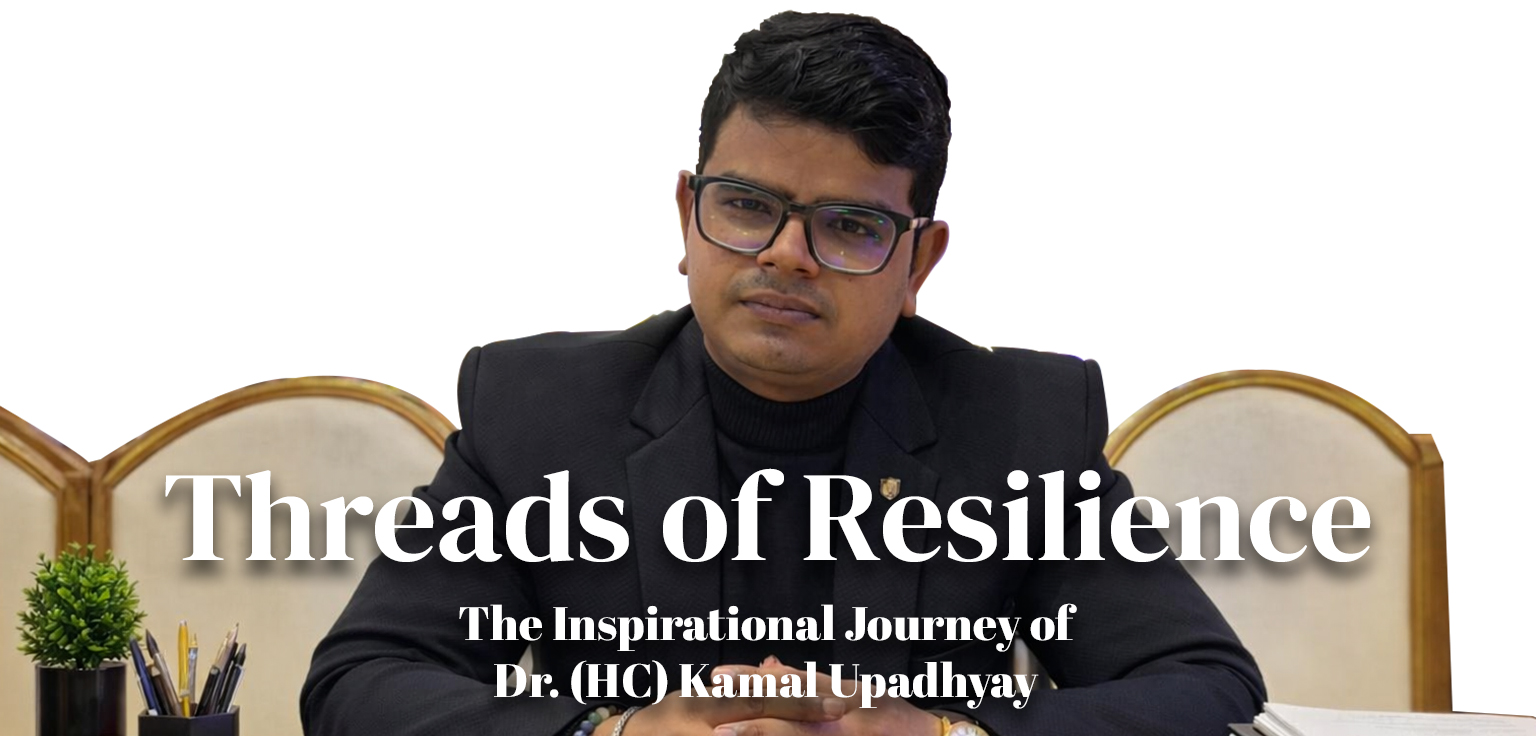
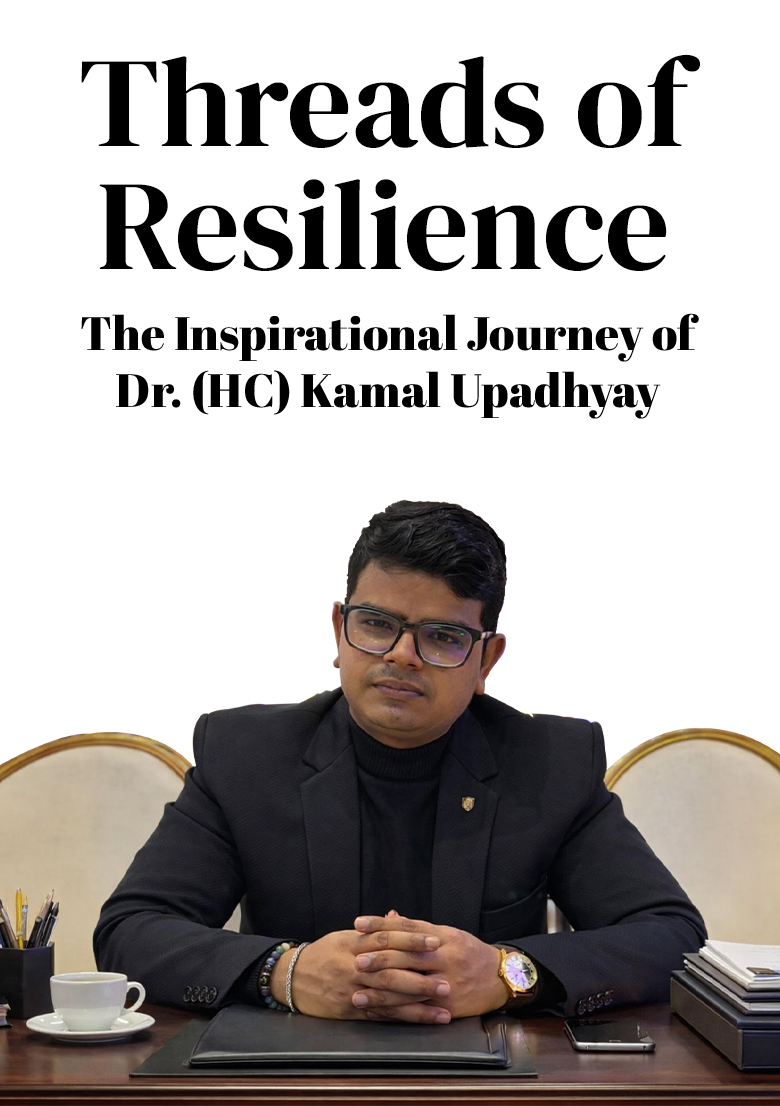
Dr. Kamal Upadhyay is a visionary business owner, cultural guardian, and pioneer in the Indian ethnic wear industry. His journey is an amazing example of how to be resilient, creative, and committed to keeping traditional art alive while also using modern business methods. Dr. Upadhyay has always been able to handle personal and professional problems with determination and foresight. He started out in a small village and now runs K.S. Fashion, a company known for its commitment to quality, craftsmanship, and innovation.
Dr. Upadhyay was born on June 14, 1993. He grew up in a small village where simplicity, community, and the value of hard work were important to him. Later, his family moved to the city, where he could go to better schools and meet more people. These early experiences gave him a unique perspective by combining the stable values of rural life with the fast pace of city life.
Dr. Upadhyay went to school at Aligarh Muslim University and then at Dehradun, where he learnt how to adapt to different types of learning environments. However, life tested his resilience when he suffered a severe hip injury in the 11th grade, necessitating surgery and a lengthy recovery period. This accident stopped him from going to school for a short time, but it was a turning point in his life that taught him patience, perseverance, and the value of looking for other ways to grow.
While he was getting better, Dr. Upadhyay got involved in his father’s business and NGO projects. This gave him a taste of management, community service, and the world of artisanship. He first saw African patchwork, organdy cloth designs, and the changing methods of hand embroidery, like the French knot, here. Even though he didn’t have any formal training in fashion or design, his hands-on experience gave him a profound understanding of the technical, cultural, and social aspects of textile art.
Dr. Kamal Upadhyay officially joined the family business in 2008, after he got better. The business grew into K.S. Fashion. With his help, the company became a top name in ethnic women’s clothing, especially kurtis, where each piece is a careful mix of traditional patterns and modern design ideas. Dr. Upadhyay’s creative method makes sure that each piece is true to life while also staying in line with changing market trends and customer tastes.
“It takes courage to grow up and become who you really are”.
Phase 1: Early Childhood and Interest in Business
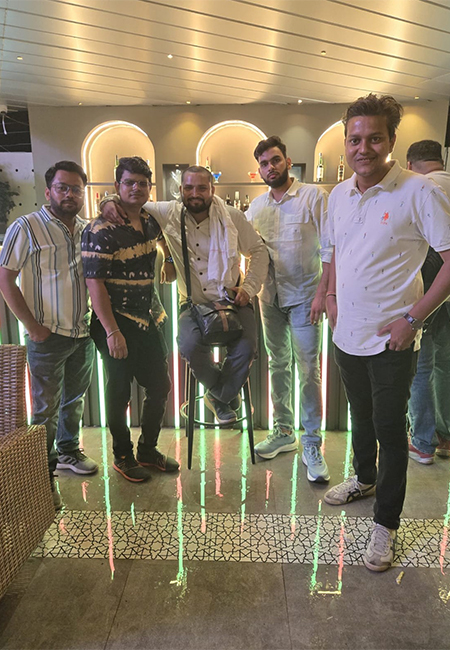
Every life is a narrative, each carrying a lesson, a message, and a subtle spark of inspiration that others can witness. A person’s life becomes a testament to human resilience when they learn to rise above difficulties, see challenges as opportunities instead of obstacles, and find them in the most unlikely places. The journey of Dr. Kamal Upadhyay, born on June 14, 1993, from a small village to city life, through the struggles of school, health problems, and learning about social impact, shows how strong perseverance can be.
The early years were simple, close to family, and full of strong cultural ties because Dr. Kamal Upadhyay was born in a nurturing rural village. Growing up in a village teaches kids how to be strong and flexible, and those lessons will help them later in life. Life wasn’t limited to the walls of privilege; it was shaped by values like hard work, honesty, and a desire to learn more about the world.
The family moved to the city when Dr. Kamal Upadhyay was three or four years old. This change was a turning point because it opened up new ways for people to learn and grow. The city had its ups and downs, but it was here that ambition began to sprout.
People have always considered education to be a way to move up in life, and this trip was no different. Dr. Kamal spent his first five years of school at Aligarh. They finished fifth and sixth grades there. Studying there created a big impression on him because of its rich academic history and diversity. Being around disciplined learning and people from different cultures taught him that school isn’t just about books; it’s also about learning how to get along with people from different backgrounds.
After these important years, a new chapter began. His father sent him to Dehradun to continue school because he knew that it would help him do better in school and grow as a person. Dehradun’s beautiful scenery and academic culture opened up a whole new world of experiences for me. For a while, the sole focus was on learning and adapting to this new life.
“Be not afraid of growing slowly; be afraid only of standing still.”
Phase 2 : Early Professional Exposure
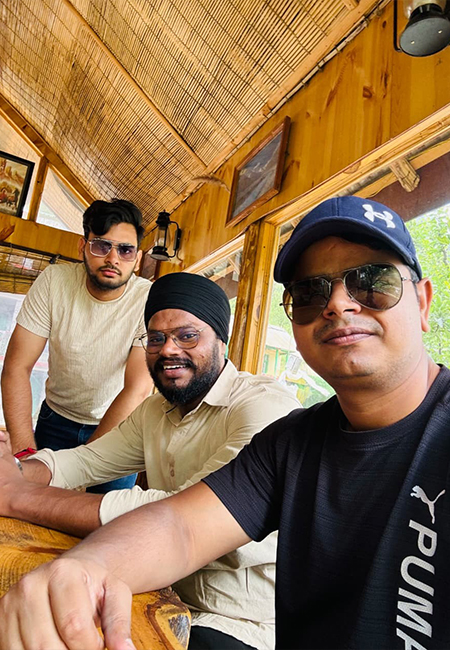
Every life journey is a story of strength, vision, and growth. Dr. Kamal Upadhyay’s story shows how early exposure, hard work, and a never-ending quest for excellence can shape not just a job but also a mission. Dr. Upadhyay’s journey shows how tradition and modernity can work together. He joined the family business in 2008 and became a leader in new ideas in traditional art and clothing design.
Dr. Kamal Upadhyay had ties to business long before he officially joined it. He grew up in a family where entrepreneurship and social work were important parts of everyday life, which made him naturally interested in how businesses work. Many people learn how to run a business in school or by getting a management degree, but Dr. Upadhyay’s classroom was a real-life example of his father’s work in business and NGOs.
From a young age, he learnt how to plan and strategise by watching how things worked every day, helping with small tasks, and talking about them. Because of this early connection, he already had a sense of ownership and responsibility when he officially joined the company in 2008.
Dr. Upadhyay did not treat the business like a beginner when he officially joined in 2008. He had been exposed to a lot over the years, which made him ready to take on responsibilities with confidence. What set him apart from most others was that he was willing to get involved in every part of the business instead of just one.
He was heavily involved in the design process from the beginning, making sure that products were not only marketable but also useful. He believed that design was the core of clothing, and even the most successful business models would cease to function if they didn’t undergo constant change. Dr. Upadhyay and his team didn’t completely outsource design; instead, they focused on making and improving designs in-house, which gave the company its own unique look.
“The best way to predict the future is to create it.”
Phase 3 : The Artistic Journey of Dr. Kamal Upadhyay : Innovation in Embroidery and Textile Design
Art and craftsmanship have always been important ways for people to express themselves, connecting culture, tradition, and creativity. For Dr. Kamal Upadhyay, textile design is more than just a job; it’s a way to be creative, preserve culture, and make a difference in society. His career in embroidery and clothing design shows a unique mix of artistic talent, business savvy, and a commitment to empowering artisans.
One of the most artistic parts of his work life is the study and adaptation of African patchwork-inspired designs, especially leafy patterns on organdy cloth that slowly turned into complex French knot embroidery. This journey not only shows how new designs are made, but it also shows how carefully artisans are trained, how they learn to master hand embroidery, and how they adapt to market trends while still staying true to tradition.
Dr. Kamal Upadhyay’s father worked with non-governmental organisations (NGOs) that helped artisans learn creative skills and connect with people from all over the world. This is how he first saw designs inspired by African patchwork. The first works in this style were made on an organdy cloth, which is a light, see-through cotton fabric that is known for its soft texture and sharp finish.
The leafy design was the most common motif. It was an organic, flowing pattern that looked like things in nature. Each leaf was carefully embroidered, and it had both aesthetic and cultural meaning. The design was more than just pretty; it showed how the artisan felt connected to nature, how they moved, and how good it felt to touch thread on cloth.
Organdy was considered as the best material because it has a soft sheen and was semi-transparent. The way the light, texture, and threadwork are woven together made the leafy patterns come to life, making clothes that were not only beautiful to look at but also soft to the touch. This early work set the stage for what would become a key part of Dr. Upadhyay’s design philosophy: honouring the past while welcoming new ideas.
Note of Thanks
Dr. Kamal Upadhyay would like to thank everyone who has been an important part of his journey from the bottom of his heart. Dr. Kamal Upadhyay is deeply grateful for his family’s unwavering support, which provided him with the strength to confront and overcome challenges. He is also thankful to the K.S. Fashion artisans and team members, who have been the real backbone of every success and milestone with their hard work and skill.
Every milestone he has achieved in his business journey, every success that has come his way, and every dream he has turned into reality—none of it would have been possible without the love, support, and guidance of his parents.
From teaching him the value of hard work to standing by him in every challenge, they both have been his strongest strength. Their sacrifices, trust, and blessings have shaped the person he is today. Whenever he felt lost, their words showed him direction. Whenever he felt tired, their belief gave him energy.
His achievements may be visible to the world, but the foundation behind them is built on their love and values. Whatever he is today, and whatever he will become in the future, is because of them.
Paying special gratitude to his parents, he said: “Thank you, Mummy and Papa, for believing in my dreams even before I believed in myself. My success is your blessing, and my journey is incomplete without your presence in it. I am forever grateful to you—today and always.”
Dr. Upadhyay also wants to thank his mentors, well-wishers, and friends who helped him, inspired him, and believed in his vision even when he wasn’t sure what to do. Every contribution, big or small, has helped him along the way and allowed him to build a journey that is full of resilience, new ideas, and growth.
Dr. Kamal Upadhyay humbly and gratefully acknowledges that his story is not his alone; it is a collective endeavour shaped by the trust, love, and faith of countless individuals who accompanied him.
Thanks,
– Dr. Kamal Upadhyay