“The function of education is to teach one to think intensively and to think critically. Intelligence plus character – that is the goal of true education.”
Dedication
I dedicate this autobiography to the people who shaped my life and helped me understand the meaning of purpose, discipline, and service. I offer this work first to my parents, whose sacrifices and guidance gave me the foundation on which every achievement in my life has been built. They taught me to work diligently, to remain humble, and to treat people with respect, and these lessons have guided me from childhood to every stage of leadership.
I also dedicate this book to my brother, whose early academic success opened my eyes to a wider world of possibilities. His achievement showed me that greatness can emerge from simple surroundings, and it encouraged me to aim higher than my circumstances.
I extend this dedication to my wife and daughters, who bring balance, strength, and meaning to my life. Their support has carried me through demanding seasons, and their presence reminds me why compassion and responsibility must remain central to my work.
Finally, I dedicate this autobiography to the children of Guyana, especially those in orphanages and underserved communities. Their resilience inspires me, and their dreams remind me why service must remain a constant part of my journey.
“Character cannot be developed in ease and quiet.”
Phase 1: Roots, Beginnings, and the Quiet Formation of Character
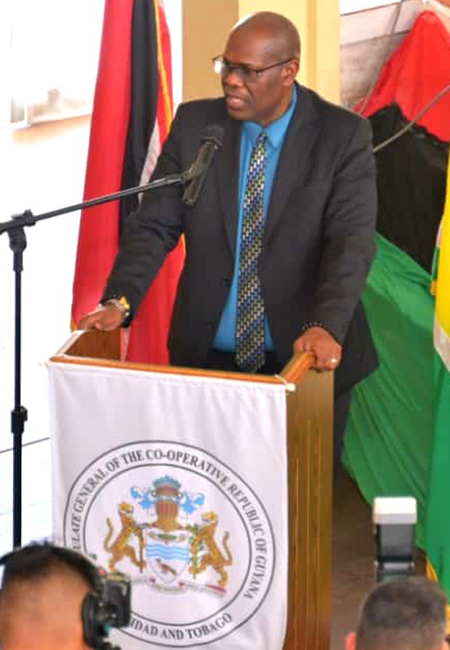
My story begins in the rural parts of Guyana, where simplicity shaped the rhythm of my early life and where the first foundations of my character were quietly formed. I was born on 8 December 1972, and although my surroundings were modest, they offered experiences that strengthened my resilience. I grew up in a home where hard work, respect, and discipline were taught through daily example, and these early lessons guided me long before I understood their full importance.
My childhood involved frequent movement. My family relocated several times, and this constant change taught me to adjust quickly and remain steady even when things were uncertain. My mother came from the island of Wakenaam in the Essequibo River, and she carried 02 with her the values of strength, humility, and perseverance. I watched her face challenges with quiet determination, and even as a child, I sensed that she was giving us more than she received. Her example taught me what it means to be responsible.
Due to our frequent moves, I never attended nursery or kindergarten. My earliest learning came from watching the adults around me, listening to conversations, and observing how people handled their daily lives. These experiences taught me to be attentive and to seek structure in uncertain situations. They also taught me to value stability, even when life did not always offer it.
Eventually, I began formal education at Tuckville Primary School, a school not commonly associated with exceptional academic performance at that time. Resources were limited, but I learned early that environment does not define potential. What matters is the commitment one brings to learning. My elder brother proved this when he became the first student from Tuckville Primary to pass for Queen’s College, and his achievement changed my understanding of what was possible. Observing his success instilled in me the belief that discipline and focus, regardless of one’s starting point, could earn success.
“The future depends on what you do today.”
Phase 2 : Stepping Into Opportunity: The Early Responsibilities That Shaped My Path

Opportunity does not always appear as a dramatic moment or a sudden turning point. Occasionally it arrives quietly, disguised as responsibility, routine, or a simple decision made out of necessity rather than desire. My transition into adulthood happened in this way. When I returned from the United States after completing my studies, I knew that I had stepped into a new phase of my life. The decisions I made during this period would shape my character, my career, and eventually my understanding of leadership.
My one year in the United States had expanded my perspective. I completed my High School Diploma in 1990, and I performed impressively enough to receive several offers to continue studying there. But the reality was simple: the cost was far beyond what my family could afford. Accepting the financial pressure would have placed an unfair burden on them, and so I decided to return home. It was a hard choice for a young man, but it was the first time I really understood what it meant to be an adult and have responsibilities. That decision grounded me, reminding me to balance every opportunity with wisdom and respect for my circumstances.
Not long after returning to Guyana, I joined Republic Bank Limited at the age of seventeen. I entered the workforce in one of the most junior positions, and the environment was different from anything I had experienced before. The shift from classroom learning to professional responsibility required maturity and discipline. I did not carry high expectations for immediate advancement. Instead, I approached the job with the mindset that had guided me through my early life: remain committed, remain consistent, and remain willing to learn.
Those early months at the bank were a defining part of my development. I observed how people interacted with one another. I paid attention to how senior staff managed pressure, handled clients, and resolved conflicts. I noticed how the smallest habits—arriving early, organising files, communicating clearly—shaped the perception of reliability.
“The best way to find yourself is to lose yourself in the service of others.”
Phase 3 : Entering Public Service: A Growing Sense of Duty and National Purpose
My entry into public service did not happen suddenly. It developed gradually, through years of professional experience, human interaction, and a deepening understanding of the challenges ordinary citizens face. Before I ever stepped into a public-sector role, I spent twenty-seven years at Republic Bank Limited, where I learned what structured leadership, disciplined management, and responsible decision-making look like in practice. Those years prepared me for the weight of public responsibility long before I understood the full significance of that preparation.
As I advanced within the bank, I managed teams, coordinated operations, and oversaw portfolios that required careful analysis and steady judgment. I learned to handle sensitive financial matters, guide junior staff, and navigate demanding situations with clarity and calmness. Working across several branches taught me that every organisation depends on people—people with different personalities, expectations, and strengths. Managing these differences with fairness strengthened my leadership. It also taught me that no system can succeed without proper communication and trust.
These professional experiences gave me a foundation in organisational behaviour, process efficiency, customer service, and conflict resolution. I learned how to build teams and how to motivate them. I learned how to resolve disputes by listening rather than reacting. I understood the importance of accuracy, compliance, and accountability. These skills would later become crucial in public administration, especially when I was required to handle complex national responsibilities.
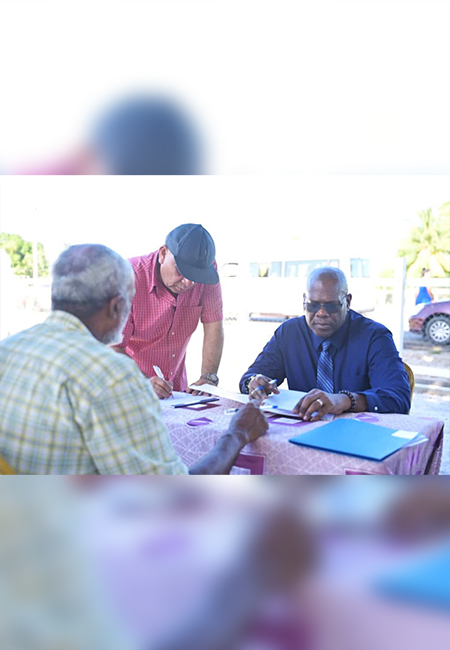
It was during this period of professional maturity that I entered the Office of the Leader of the Opposition, serving under Dr. Bharrat Jagdeo. This role opened an entirely new dimension of service. For the first time, I was interacting with citizens not as customers, but as individuals seeking help, clarity, and direction. My banking experience allowed me to assist many of them with budgeting, loan preparation, and financial planning. The work felt meaningful because I could see its direct impact on people’s lives.
Note of Thanks
As I bring this biography to its close, I offer my heartfelt thanks to everyone who contributed to the journey that shaped my life. No person walks alone, and I stand here today because of the collective strength, guidance, and support I received from so many people along the way.
I begin by expressing my deepest gratitude to my parents, whose values of discipline, humility, and respect formed the foundation of my character. Their sacrifices gave me opportunities that were not guaranteed, and their guidance carried me through moments of uncertainty. I owe much of who I am to the lessons they instilled in me.
I extend sincere thanks to my wife and daughters, who have been my constant source of love, balance, and encouragement. Their patience supported me through demanding seasons, and their presence reminded me of what truly matters. They grounded me when the pressures of leadership grew heavy, and they strengthened me during every step of my journey.
My appreciation also extends to my colleagues—both from my years in banking and from my time in public service. The teams I worked with taught me collaboration, resilience, and the importance of shared purpose. Collective effort shaped every project, challenge, and success.
I am grateful as well to the citizens who allowed me to serve them. Their trust reminded me that leadership is not about authority; it is about responsibility. Their stories deepened my compassion and strengthened my commitment to fairness and integrity.
To the children in orphanages and the communities I have quietly supported, I thank you for inspiring me with your resilience and courage. You reminded me that service is the heart of leadership.
I conclude this note with gratitude, reflection, and hope. My journey continues, and I remain committed to using my experiences to uplift others in every way I can.
Thank You
– Dr. Sherwyn Greaves