“True legacy is not measured by what one achieves alone, but by how many lives are uplifted through service, integrity, and compassion."
Dedication
This biography is for Dr. David Rogers, whose life was defined not by showiness but by continuous service; not by noisy ambition but by quiet conviction. It honours a guy who learned early on that working hard with honesty is the best way to show respect, that listening is the first step to being a leader, and that caring for others is the best way to show faith. Dr. David’s story teaches us that greatness may happen in everyday places, including schools and workshops, communities and churches, and times when someone chooses responsibility above convenience.
This dedication is also for the people whose lives have crossed paths with his: family members who cared for him, mentors who helped him, coworkers who trusted him, and many more who discovered help, skill, or hope via him. Dr. David’s tale is not a single rise; it is a shared journey distinguished by teamwork, kindness, and dedication.
May these pages be a memorial to a life lived with purpose, honesty, and humility. May they inspire readers to see how strong moral bravery is, how valuable learning is, and how powerful service is. Above all, this work is based on the idea that one life, lived honestly, can change many others without anybody noticing.
"What one loves in childhood stays in the heart forever."
Phase 1: Roots and Early Formation
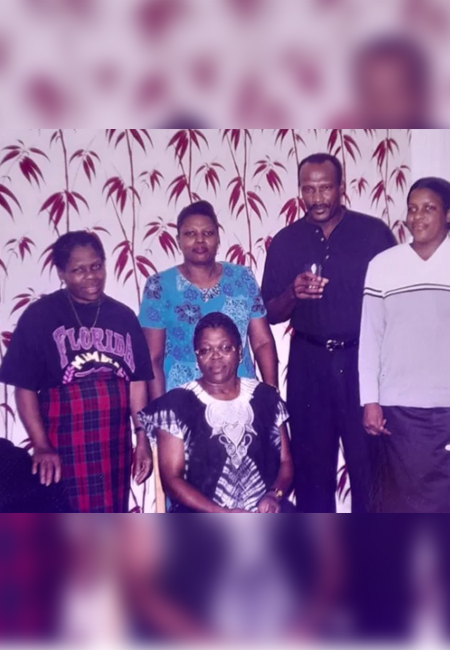
When we look closely at Dr. David Rogers, we can see that the strongest parts of his life were built long before he became well known, successful in his career, or a lay minister. The first phase of his journey is based on his upbringing, family, early schooling, and community interactions. These environments gradually shaped his character and fostered the development of his values. These formative years equipped him for maturity and established the moral framework that would influence all his decisions.
Dr. David was born into a family where discipline, respect, and shared responsibility were important parts of life. His family life had a big impact on how he saw the world. He learned how important it is to work together, be honest, and take responsibility in the home. These were not just ideas; they were daily beliefs. Seeing older people handle their duties with grace had a lasting effect on him. He learned at a young age that how you act in your family frequently sets the tone for how you act in public.
He was more attentive than entitled as a child. Dr. David learned as a child that you have to work hard and trust others to get advantages. This insight made him naturally humble, which helped him get along with people from all walks of life later on. He learned to pay attention before he spoke and to look before he did something. These practices, which he developed early on, would later become characteristics of his leadership style.
Another important part of his early life was school. Dr. David went to school when structure, discipline, and moral instruction were all important parts of learning. People didn’t just see school as a method to obtain a job; they also saw it as a tool to make decent citizens. Teachers were people in charge who had more power than just the literature they taught. Dr. David learned from them about being persistent, on time, and thinking clearly.
"There’s no limit possible to the expansion of each one of us."
Phase 2 : Education, Skill, and Early Adulthood
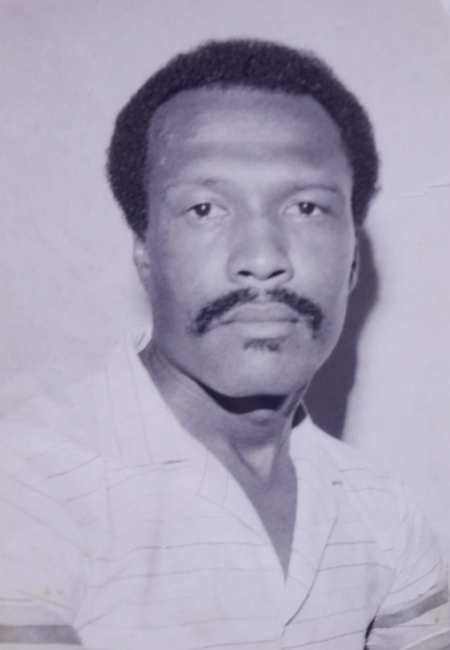
Phase 2 of Dr. David Rogers’ life is the important change from principles that were passed down to him to pathways that he chose on purpose. If Phase I set the moral and emotional groundwork for his character, this phase is when intention and action came together—when learning became purposeful, skills were actively developed, and responsibility started to take on a professional shape. Over these years, Dr. David learned to match his skills with his goals, not through rushing but through careful progress.
As Dr. David entered early adulthood, he faced a reality known to many young individuals: the necessity of converting education into a means of sustenance while maintaining integrity. He realized early on that employment was not just a way to stay alive but also a place where he could practice discipline, honesty, and service every day. This knowledge changed the way he learned and strengthened his skills.
Instead of pursuing abstract goals, Dr. David focused on practical instruction that met real-world demands. He chose to study plumbing because he was interested in it and because it made sense for him to do so. He knew that having technological skills gave him respect, freedom, and a way to help people in a real way. For him, plumbing wasn’t a backup plan; it was a job that required accuracy, responsibility, and trust.
Dr. David learned a new kind of discipline when he trained to be a plumber. To do well in technical school, he had to be patient, precise, and responsible. Errors carry repercussions, and we shouldn’t compromise on quality. He respected craftsmanship because of this schooling. He learned that the only way to become better was to grasp the basics, not take shortcuts. Later on, these teachings changed the way he led, ministered, and mentored others.
"Your perspective is always limited by how much you know. Expand your knowledge, and you will transform your mind."
Phase 3 : Entrepreneurship and Professional Leadership
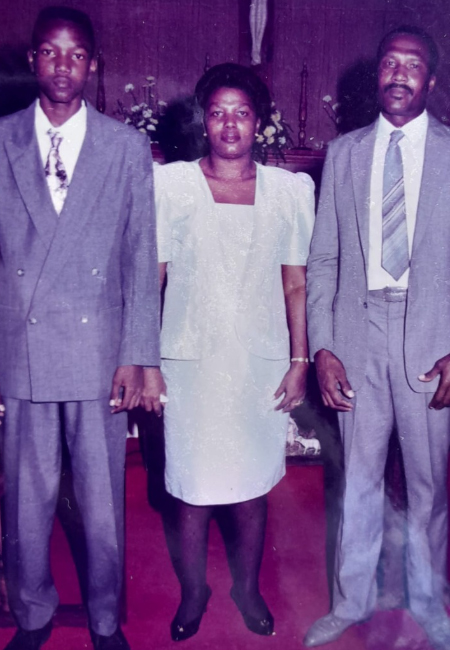
The third phase of Dr. David Rogers’ life was the turning point when preparation turned into responsibility on a large scale. Dr. David became an entrepreneur not because he wanted to be one, but because he wanted to help others. He had already learned a lot about technology and management. This stage is characterized by the audacity to lead, the rigour to uphold standards, and the modesty to stay answerable to individuals, procedures, and objectives.
Dr. David started his business with a clear goal in mind: to do things right, honestly, and reliably. He had the skills and values he needed. Entrepreneurship, for him, was not an escape from scrutiny, but an opportunity to assume greater responsibility. Clients relied on him for important services, employees depended on him for their jobs, and communities counted on his reliability. He knew that once someone trusted him, he had to keep that confidence.
Working in technical and construction-related fields requires accuracy and planning. The projects were hard, the deadlines were tough, and the results were real. Dr. David took every task seriously, no matter how big or small. This level of consistency became a big part of his professional reputation. He thought that being honest meant being reliable all the time, not just occasionally.
Dr. David had to confront the human aspects of leadership as his business grew. Managing people was more than just giving them assignments; it meant knowing their personalities, what drives them, and what they are going through. His experience in dealing with people and communicating well was quite beneficial. He practiced being a leader by being fair, clear, and listening to others, knowing that people work better when they respect each other.
During this time, I also had to deal with big duties. Dr. David was responsible for overseeing intricate procedures involving numerous individuals, adhering to rules, and addressing safety concerns. To do this kind of work, you had to be able to make decisions quickly and calmly. He didn’t act on impulse; instead, he relied on planning and talking to others.
Note of Thanks
In the spirit of profound gratitude, this biography is presented to all those individuals whose lives have intersected with the path of Dr. David Rogers and, as a result, have contributed to the formation of its meaning. This story reflects the collective work, trust, and commitment made over generations; you can’t cultivate a life of service alone.
The family of Dr. David deserves our deepest gratitude since their unwavering support, unwavering encouragement, and unobtrusive sacrifices laid the groundwork upon which every stage of his life was constructed. Because of their support, he was able to devote himself to his calling by working long hours, providing service, and ministering to others.
We extend our heartfelt gratitude to our coworkers, apprentices, community members, congregations, and anyone else who sought advice or direction. Every connection, whether it was professional, spiritual, or personal, led to the development of wisdom, humility, and purpose that is represented in these pages.
We also owe our gratitude to those who accompanied Dr. David, inspiring him to lead with integrity and compassion. These individuals include mentors, instructors, and fellow servants. Their influence persists in shaping his vision and ideals.
This work expresses gratitude to all those who have impacted, stabilized, or provided support throughout the journey. I hope that this biography will be more than just a record of a single person; rather, it will serve as a testimony to the enduring power of service, faith, and common humanity.
Thank You
– Dr. David Rogers