
"The best way to find yourself is to lose yourself in the service of others. "
Dedication
This biography is for everyone whose life has been touched by kindness and seeks inspiration to live with faith, compassion, and purpose. It is for the children who continue to remind Dr. Farah Rattansi what true strength looks like, and for the families whose trust inspired her to create spaces where every child feels seen, valued, and included.
It is lovingly dedicated to her father, whose wisdom and gentle strength shaped the foundation of her life. He taught her the meaning of inclusion, the importance of humility, and the duty to hold the hand of those left behind. His lessons on dignity, fairness, and faith have guided every step of her journey. To this day, his words, rooted in compassion and courage, remain the moral compass that anchors her vision and her service to humanity.
To her mother, whose integrity, discipline, and quiet resilience became her greatest example. She taught her that kindness must be lived through action and that strength is found in grace. Her unwavering faith, tireless devotion, and calm wisdom taught Dr. Farah how to lead with both heart and clarity. Every success she has achieved carries her mother’s reflection—a reminder that integrity is the truest form of beauty.
With deep gratitude, this work also honors her two brothers, whose constant encouragement, financial support, insight, and wisdom have been a pillar of support through every challenge. Their love, strategic guidance, and steady presence have strengthened her purpose and helped transform her vision into reality.
And to her most beloved companion, Chucci, whose unconditional love, loyalty, and joyful spirit have brightened every child’s day at the clinics and beyond. Chucci has given her the gift of empathy and reminded her that pure love can heal, inspire, and transform. Chucci continues to inspire her to make each clinic a warm, happy, inclusive, fun, magical place where everyone belongs and where light always prevails.
“Educating the mind without educating the heart is no education at all.”
Phase 1: The Seeds of Compassion
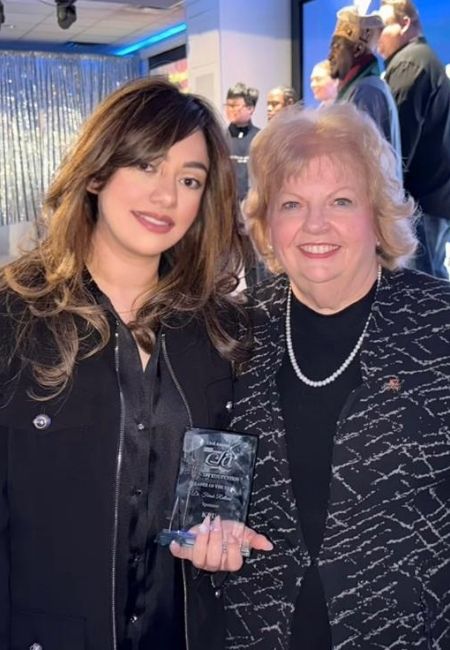
Dr. Farah always seemed to be guided by an invisible compass that pointed towards empathy from the very beginning of her childhood. In her family, values were more important than money, and kindness was seen as the smartest thing to do. Her parents weren’t rich, but they had a lot of moral wealth. They thought that strength came from understanding, not from being in charge, and that the true measure of a person was not what they did for themselves but what they made possible for others.
She grew up in a place where there was laughter, warmth, and the soft hum of community. Her house was a place where everyone was welcome, where guests were treated like family, and where gratitude and giving were the main parts of daily life. But despite all this comfort, one meeting changed her life forever: a neighbour’s child who couldn’t talk, move around, or interact with the world like other kids.
He was not the same. For a lot of people in the neighbourhood, his differences made them want to stay quiet and stay away from him. Children would play far away, parents would talk quietly, and even his siblings, not knowing how to talk to him, would leave him alone on the porch, staring blankly at the world he couldn’t fully join. But for young Farrah, who was taught by her father that compassion is a duty, not a choice, this loneliness was too much to bear.
One day, her father saw him sitting by himself while other kids ran by, laughing like a cruel reminder of what he was missing. He told his daughter something that would stay with her for a long time: “If you want to go out and play, take him with you.”
She wasn’t sure at first. “But,” she said in a sweet voice, “he doesn’t know how to talk or play. He doesn’t even know how to walk.” Her father said firmly but kindly, “Then hold his hand. Push his baby carriage. Allow him to experience the essence of belonging.”
“The purpose of life is not to be happy. It is to be useful, to be honorable, to be compassionate — to have it make some difference that you have lived and lived well.”
Phase 2: Turning Compassion into Purpose
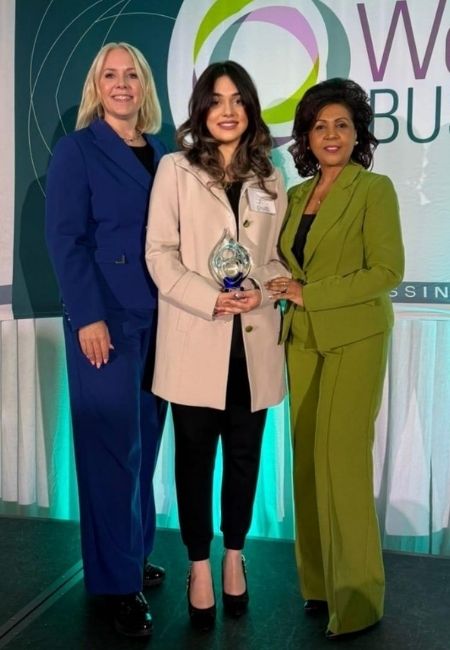
Dr. Farah didn’t just get a diploma when she graduated from high school; she also got a mission. The memories of inclusion days, the smiles of kids with disabilities, and the lessons her father taught her had already shaped who she was. But she knew that compassion alone, no matter how strong, wasn’t enough as she thought about the future. She needed knowledge that could help her organise her empathy and turn her good intentions into real results in order to make lasting change.
She was both curious and determined as she moved into the world of higher education. She decided to study psychology and social sciences because they gave her a look into how complicated the human mind and behaviour can be. She wasn’t driven by grades or competition like a lot of her friends were. She saw every lecture, case study, and theory as a chance to learn more about how people think, learn, and heal.
She was most interested in subjects that had to do with learning and developmental disabilities. She was interested in studying cognitive processing, child psychology, and changing behaviour. It was as if every page she read confirmed what her heart already knew: that every child, no matter how hard it is for them, has a potential that is waiting to be unlocked.
Dr. Farah’s education, on the other hand, was never limited to classrooms. While a lot of her classmates were only interested in schoolwork, she wanted to get some real-world experience. She started volunteering at community centres to help families with kids who were behind in their development. It wasn’t easy to go through these early experiences. Some parents were doubtful, some gave up, and others were too busy to trust a young volunteer. Dr. Farah’s calm confidence and patience slowly won them over. She listened, watched, and changed. Families who had long felt misunderstood found comfort in her gentle presence.
“Leadership is not about being in charge. It is about caring for those in your charge.”
Phase 3 : The Architecture of Empowerment
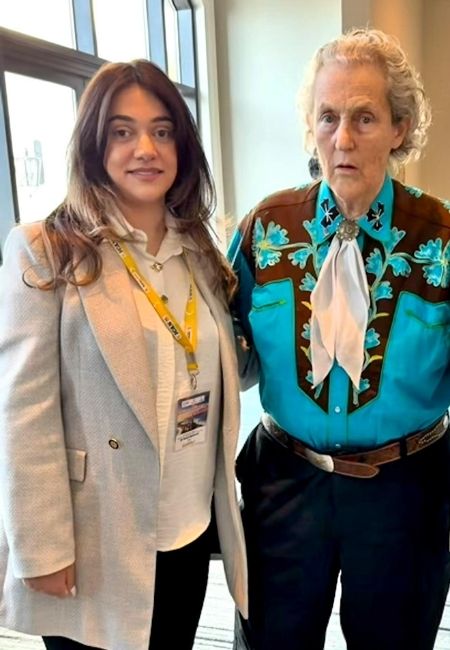
Success often starts quietly, with the steady rhythm of hard work every day. That rhythm became the heartbeat of Dr. Farah’s life purpose. What started as a small clinic built on faith and compassion quickly grew into something much bigger: a movement based on empowerment, empathy, and excellence.
When she first thought of a place for therapy, she never imagined it would grow into a network of centres that would change lives all over the world. Even though her clinics grew from one to five, her goal stayed the same: to create a safe, welcoming, and respectful space where kids could learn, families could heal, and professionals could grow.
Her therapy centres showed her philosophy: putting people first, being simple, and being warm instead of flashy. The walls were painted in soft colours; the waiting areas were full of laughter instead of worry, and every therapist was taught not only to follow the rules but also to show compassion. Her centres stood out due to her dedication to science.
Dr. Farah worked very hard. She spent a lot of time at each clinic, making sure that every detail was taken care of, from training the staff to making the place child-friendly, from getting feedback from clients to the little things that made the experience special. But there was an unshakeable faith behind that hard work. She thought that God was guiding her work and that her job was not to control the results but to serve others without expecting anything in return. “When your heart is in the right place,” she used to say, “success comes to you in ways you least expect.”
There were some problems that came up as she grew. Running multiple centres requires managing administrative, clinical, and human needs simultaneously. Money was tight, the work was demanding, and the expectations were high. She sometimes gave up her comfort for her job, skipping meals, travelling between clinics late at night, and giving up sleep to read therapy reports. But she never said anything. She thought that being tired was a small price to pay for change.
Note of Thanks
The hearts that walk with every purposeful journey keep it going. As this biography comes to an end, Dr. Farah wants to thank everyone who has helped her along the way: the families who trusted her with their hopes, the children whose bravery inspired her, and the professionals who shared her belief that compassion can change lives.
She thanks her parents for giving her the values that guide her life. She still follows their lessons of kindness and inclusion in everything she does. She thanks her therapists, teachers, and coordinators for making her vision a reality every day by turning empathy into action.
Dr. Farah is also thankful to the groups and communities that supported her mission and helped her take inclusion to new places. Most of all, she thanks God for giving her strength in challenging times, clarity in her goals, and grace in every success.
This work is a group effort that celebrates our ability to heal, hope, and help each other rise.
Thank You
– Dr. Farah