“What lies behind us and what lies before us are tiny matters compared to what lies within us.”
Introduction
Dr. Shane Ram’s journey is a powerful example of how vision, resilience, and purposeful action can change your life. He has come a long way from where he started, and his path is marked not only by his own success but also by the huge difference he has made for others through leadership, education, and helping people improve their performance. His story is a powerful example of how determination, insight, and a commitment to excellence can change people’s lives and the way organisations work, inspiring leaders, professionals, and students all over the world.
Dr. Shane faced challenges in his early life that could have kept him from reaching his full potential. He was born into a poor family and had to deal with both a lack of money and a lack of formal guidance. His parents were dedicated and hard-working, but they didn’t have the education to give him structured advice on school and work issues. But these problems were the fire that forged Shane’s strength, drive, and self-motivation. He was not very successful even as a young student but later got into his groove, doing well in maths and physics, among other subjects. But these successes weren’t just due to natural talent; they were also due to hard work, curiosity, and a desire to rise above their situation.
Dr. Ram’s education is the key to understanding his philosophy and his professional success. During his time in school, he was in places where there wasn’t much help and where traditional rules often limited what was expected of him. Even with these limitations, he showed an amazing ability to direct his own learning. Dr. Ram grew both intellectually and personally by looking for chances to interact with peers and mentors. This proactive approach helped him get over his early doubts about his worth and gave him the confidence and vision he needed to succeed in the future. His experiences highlight a vital lesson: although external support and mentorship are significant, the capacity to overcome challenges through personal initiative is equally transformative.
Dr. Ram was able to turn his skills into professional skills because he went to college. He studied management at university, where he learnt about a variety of subjects, including human resources, marketing, logistics, and strategic business management. During this time, he became interested in technology, especially how it could change the way businesses work. His early exposure to information systems, e-business, and strategic management set the stage for a career that would combine leadership and technology. He saw the future of organisational development long before digital transformation became a big deal.
Dr. Ram’s career path is truly amazing. He had risen to executive management in the C-suite by the time he was thirty, a level that usually takes decades of small steps to reach. This quick progress didn’t just happen by chance; it was the result of careful planning, being flexible and coachable together with and a strong desire to do things right. His early career experiences, such as setting up human resource information systems and leading IT projects, gave him a unique view of how technology can help organisations work better and give leaders more insight and flexibility.
“One of the luckiest things that can happen to you in life is, I think, to have a happy childhood.”
Phase 1: A Childhood of Dreams, Daydreams, and Playgrounds
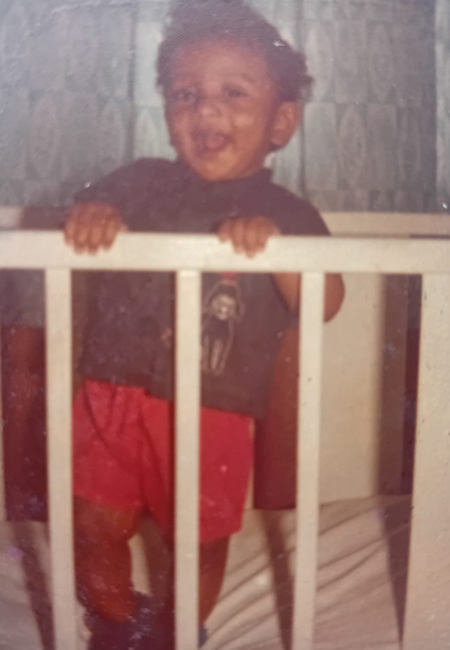
Dr. Shane Ram’s narrative doesn’t start in the boardrooms of big companies or on the stages of worldwide conferences. It starts in a little village in Trinidad, where he didn’t have power or running water until he was about eleven or twelve years old. For a lot of people, starting out like this could feel like a disadvantage, a limitation, or a hardship. But for Dr. Ram, it became the place where aspirations, strength, and creativity could grow. His childhood was not rich in material things, but it was full of creativity, community, sports, and the kind of freedom that only a child growing up in that kind of setting could genuinely grasp.
Dr. Ram often thinks back on those early days with a mix of happiness and thankfulness. It wasn’t just a nuisance to walk to school every morning; it was a little adventure. His little legs took him to class every day, even though there was no bus waiting at the corner and no carpool or morning rush. At the time, they felt like doors to a broader world. But the real entryway wasn’t necessarily the books or blackboards. It was his imagination that had no limits.
You see, Dr. Ram was a professional daydreamer long before he became a professional anything else. His thoughts would often go beyond the dusty roads of his village and into the wide-open skies of what could be. And one dream that resonated with him was that he was Dr. Shane Ram. The term seemed powerful and mystical, like it was a sign of someone who could change lives.
Of course, boys’ imaginations are always full of funny things. Shane, like a lot of kids, thought that individuals who wore glasses were smart. The way they squinted at books, pulled their glasses back onto their noses, or looked into classrooms with authority gave them an atmosphere. Dr. Ram put on a show for himself, even though he could see well. He screamed, whined, and begged until he eventually obtained a pair of spectacles. They weren’t needed for his vision, but they were important for his dream identity. Those glasses were more than just frames and lenses to Shane; they were his badge of brilliance and his garb in the theatre of becoming.
“It is when we put mud on our bodies and all become one with each other and the earth in the J’Ouvert.”
Phase 2: Dancing to the Rhythm of Carnival

There are some things in life that bring people together in a celebration that is so big, so colourful, and so alive that they will always remember it. Dr. Shane Ram grew up in Trinidad and remembers Carnival as one of those times. It wasn’t just a festival on the calendar; every year, it was an energy, a rhythm, and a heartbeat that pulsed through the island. Dr. Ram knew from a young age that when Carnival season came around, everyday life became something special.
To understand Carnival in Trinidad, you need to know something important about the people: they can turn difficult times into art, history into music, and struggle into celebration. Carnival began in slavery, when African slaves found ways to show their identity, joy, and strength despite hardship. As time went on, it combined with European traditions from before Lent, and the result was a festival that was unlike any other: colourful, rebellious, freeing, and deeply cultural. Carnival happens in the days before Ash Wednesday, which is the start of Lent in the Christian calendar. Lent is a time of fasting, reflection, and getting ready for Easter. But before Lent begins, there is Carnival Monday and Tuesday, when the island comes alive. On the streets, there are dancers, musicians, people in fancy costumes, and bands playing calypso and soca. The air seems to vibrate. It is a big release, a statement that life is worth celebrating, no matter how challenging it is. Carnival wasn’t just something Dr. Ram could watch from afar; it was something he could live, breathe, and be a part of.
As Carnival got closer in February or March, Dr. Ram’s community got more and more excited, like a drumbeat getting louder. People in the neighbourhood would start talking about bands, costumes, and parades. Rehearsals sounded from yards away, and the streets seemed to buzz with excitement. The Kiddies Carnival was something magical for the kids. It was a smaller version of the main celebration, made just for the community’s youngest members. It let kids dress up, dance in the streets, and feel the excitement of being part of something bigger than themselves. Dr. Ram’s eyes would light up whenever it was time for Kiddies Carnival.
“Education is the most powerful weapon which you can use to change the world.”
Phase 3: From Classrooms to Confidence: The Educational Journey of Dr. Shane Ram

For many people, the path to education is clear: primary school, high school, college, and then university. But for Dr. Shane Ram, the road was long and winding, with bumps, turns, and people who changed his life. His family’s sacrifices, the hard times he faced, and the lack of guidance shaped his academic journey and outlook on life.
Dr. Ram’s family did not have a history of formal education. His parents were smart and worked hard, but they hadn’t learnt anything beyond the basics. They wanted more for their kids, but when it came to helping Dr. Ram make smart academic choices, they didn’t know how to do it. They could give him love, support, and pressure to do well, but Dr. Ram mostly had to figure out how to do well on his own. This lack of direction was most clear when he was in his first few years of high school. He had the brains, the motivation, and the desire to learn, but he didn’t always have the right people to help him use them. Sometimes, teachers were also part of the problem. Dr. Ram did well when he got along with a teacher, but he struggled when he didn’t. He didn’t have trouble with the material; it was the way it was delivered, the setting, and the help that made it challenging for him. Even without a lot of help, his natural talents shone through. He was proficient at maths and not only passed but did very well. He got the best grades in both mathematics and physics, showing that he could understand numbers, logic, and scientific ideas. But when he didn’t pay as much attention to his subjects, it showed in his grades, which reminded him that school wasn’t just about being smart but also about the environment around it.
Dr. Ram had already figured out that success wasn’t evenly spread out by the time he took his O Levels, the British-style tests that marked the end of secondary school. He excelled in subjects he enjoyed and those that received excellent instruction. But in other cases, he just “blocked through”, as he would later say. He passed, but not as well as he knew he could. He realised later that the problem wasn’t a failure of effort or intelligence.
Note of Thanks
Dr. Shane Ram extends his heartfelt gratitude to all those who have assisted and motivated him throughout his journey. He wants to sincerely thank his mentors, coworkers, and peers for their help, support, and wisdom, which have been crucial in his personal and professional growth. He is especially thankful to his family for their constant support and sacrifices, which helped him reach his goals.
He also thanks the clients, groups, and communities he has worked with, whose trust and cooperation have helped him make a real difference. Their willingness to accept change, strive for excellence, and seek meaning has always inspired him.
Lastly, Dr. Shane Ram thanks everyone who believes in the power of people to change and grow. Their dedication and willingness to learn strengthen the reason he does what he does, and they keep him committed to helping individuals, leaders, and organisations reach their full potential.
Thank You
Dr. Shane Ram